01
What the VL12 Prime is
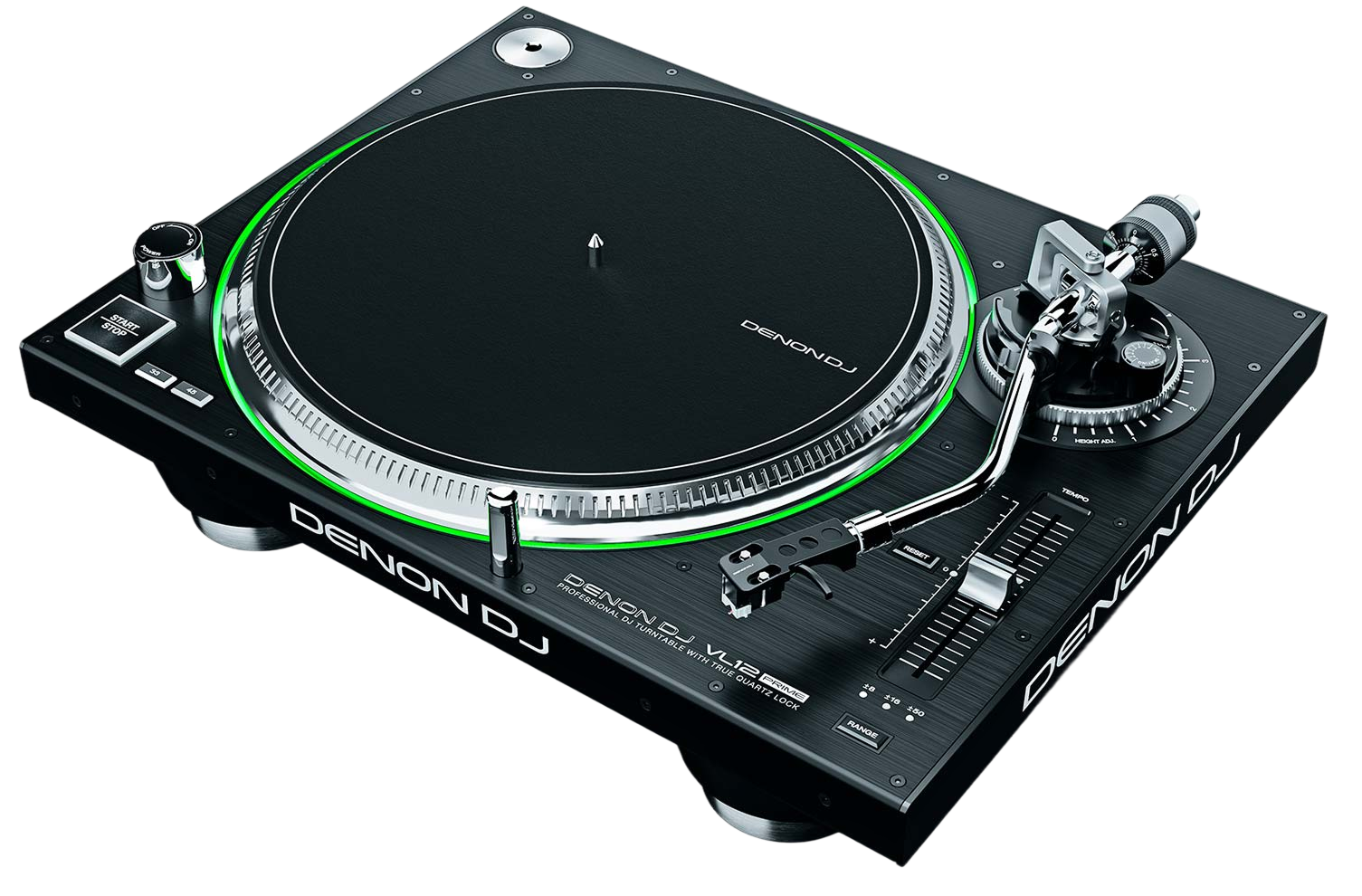
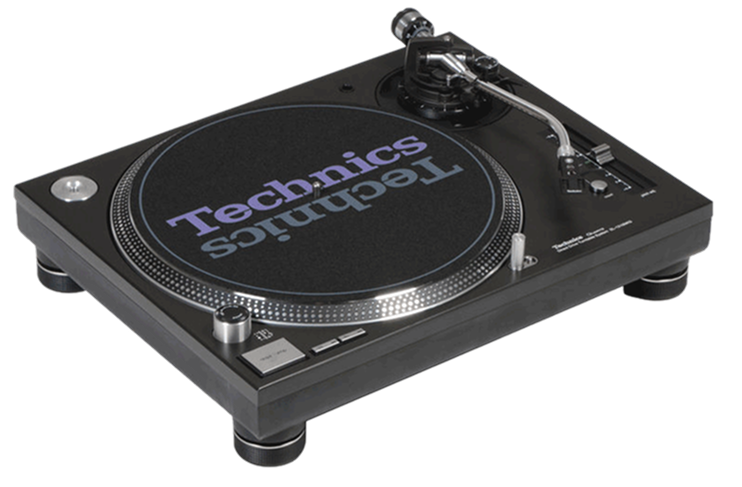
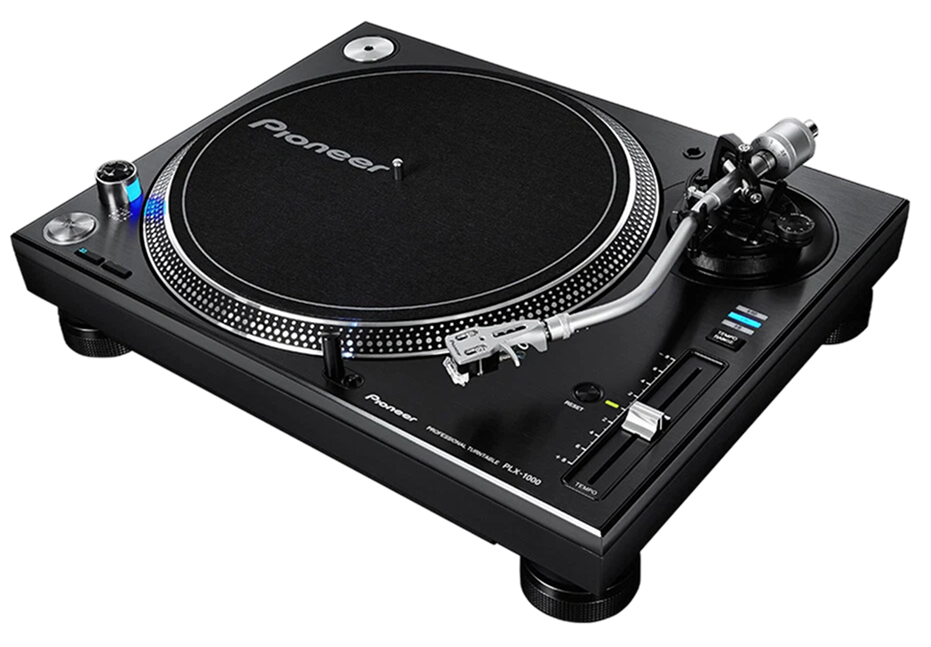
The Denon DJ VL12 Prime is a professional direct-drive turntable — Denon's entry into the deck arena dominated by the Technics SL-1200, with the Pioneer PLX-1000 as another rival (both in our guides). Direct drive means the platter sits right on the motor, giving instant, consistent speed and the high torque DJs need to cue, beatmatch and scratch without the platter slowing down. It's a heavy, stable, road-ready deck built for serious use.
Denon gave the VL12 some distinctive touches. It's designed for clean 'true sound' (low vibration and isolation for accurate audio), it has a strong, adjustable high-torque motor, and a signature feature is a customisable glowing platter ring — an illuminated edge around the platter that looks great in the booth and can be set to different colours.
Like any turntable, it plays actual vinyl and doubles as a controller for DVS (digital files via a timecode record). This guide covers setting it up, playing vinyl, and going digital — and our Beatmatch and Scratching guides cover the techniques you'll use on it.
02
Setup: platter, cartridge & tonearm
Setting up the VL12 follows the same careful steps as any pro turntable. Place the heavy platter onto the spindle and add a slipmat (DJs use a slipmat, not the rubber mat, so the record can be held and moved by hand). Mount your cartridge — the part holding the stylus (needle) — to the end of the tonearm; a sturdy DJ cartridge is best for cueing and scratching.
Then balance the tonearm in three moves. One: with the cartridge fitted and the arm free, turn the rear counterweight until the arm floats level on its own. Two: set tracking force — zero the dial at that balance point, then dial in the downforce your cartridge recommends (often around 3–4 grams for DJ use) so the needle sits firmly and won't skip. Three: set the anti-skate roughly equal to the tracking force to stop the arm drifting inward.
Done once, it stays. A correctly balanced tonearm tracks the record cleanly even as you cue and nudge it — the difference between a deck that skips and one that feels solid. The VL12's heavy, well-isolated build makes it especially stable once set up properly, which pays off in cleaner tracking and sound.
03
Playing vinyl & the controls
Playing vinyl on the VL12 is tactile and satisfying. The high-torque motor brings the platter up to speed almost instantly with the start/stop button. To cue a record, hold it still on the slipmat at the first beat while the platter spins underneath, then release in time with the other track so it launches on the beat — a feel you build with practice.
The pitch fader adjusts the platter's speed by a percentage, and it's how you beatmatch: nudge it until the record's tempo matches the other deck, then use small touches on the record or platter edge to push the beats into alignment. There's no Sync on a turntable — it's pure ears and hands, which is exactly why vinyl builds such strong timing (our How to Beatmatch guide teaches the listening skill).
The VL12 gives you control over the motor's feel: you can adjust the torque to your preference (a snappier feel for tight cuts, or a looser one) and the start/stop braking speed. Combined with its solid build, that makes it a dependable, customisable platform for both straight mixing and scratching — and our Scratching for Beginners guide will get you cutting on it.
04
Using the VL12 for DVS
Like any pro turntable, the VL12 doubles as a DVS controller, so you get the genuine feel of vinyl with an unlimited digital library. Instead of a music record, you play a timecode control record; software like Serato or rekordbox reads its signal and plays your chosen digital track in perfect step — so you scratch, cue and spin a file on your laptop using the real platter.
To set it up, connect the VL12 to a DVS-capable interface, or to a mixer with a built-in sound card (like the Denon X1800 or the Pioneer DJM-900NXS2 in our guides), then to your computer. Drop the control record on, select the deck in your software, and calibrate so it tracks cleanly. From then on, the digital track behaves exactly like a record under your hand.
DVS is why turntables stay relevant in a digital age — you keep the irreplaceable feel and torque of a real deck while gaining the convenience of digital files, cues and loops. The VL12's high torque and low-vibration design make it a dependable DVS platform, equally at home spinning a record or controlling your whole library.
05
Care & choosing your deck
A turntable rewards a little care. The stylus (needle) is the main wear part — a worn stylus causes poor tracking, skipping and even record damage, so replace it periodically and handle it gently. Keep the platter, slipmat and records clean, since groove dust degrades sound and wears the needle faster. Place the deck on a stable, solid surface away from the speakers so bass and vibration don't reach the platter and cause skips. The direct-drive motor needs no belt and very little upkeep, which is why these decks handle heavy use.
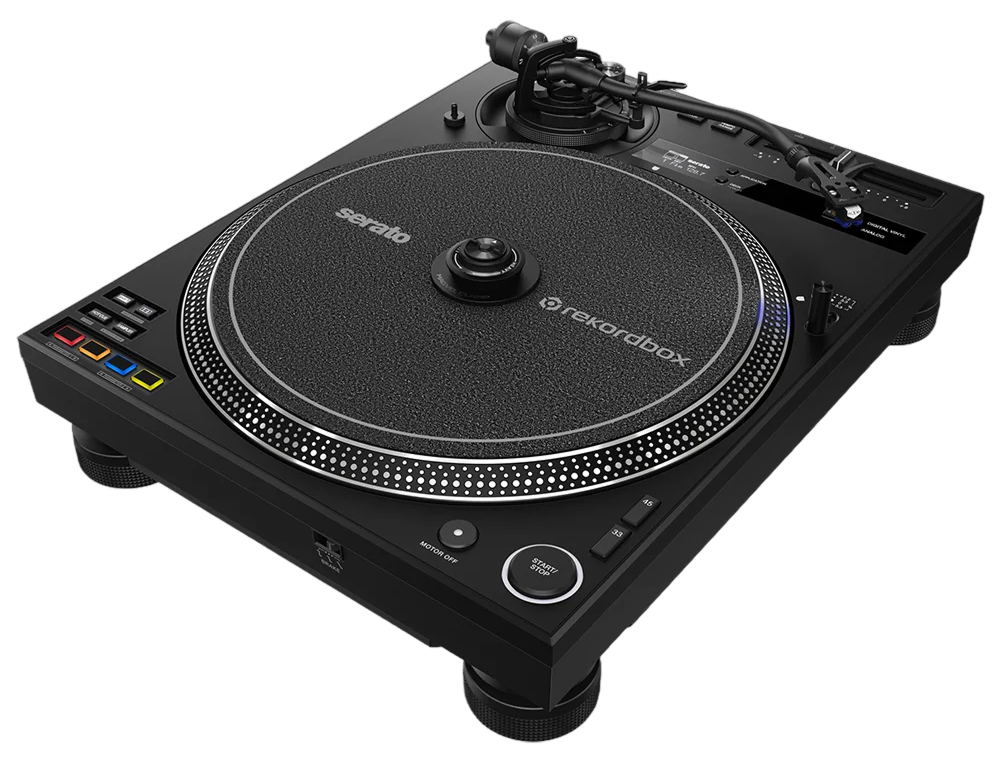
How does it compare? The VL12 Prime is Denon's high-quality direct-drive turntable, cross-shopped with the iconic Technics SL-1200 and the Pioneer PLX-1000 (both in our guides). All three are excellent, road-ready decks; the VL12 differentiates with its true-sound isolation focus, adjustable torque, and the customisable glowing platter ring, and it pairs naturally with a Denon Prime setup. The choice often comes down to feel, looks and budget.
For a DJ who wants a solid, characterful professional turntable for vinyl and DVS, the VL12 is a strong choice. Pair it with our Beatmatch and Scratching guides and it'll serve you for years.