01
The most iconic turntable ever made
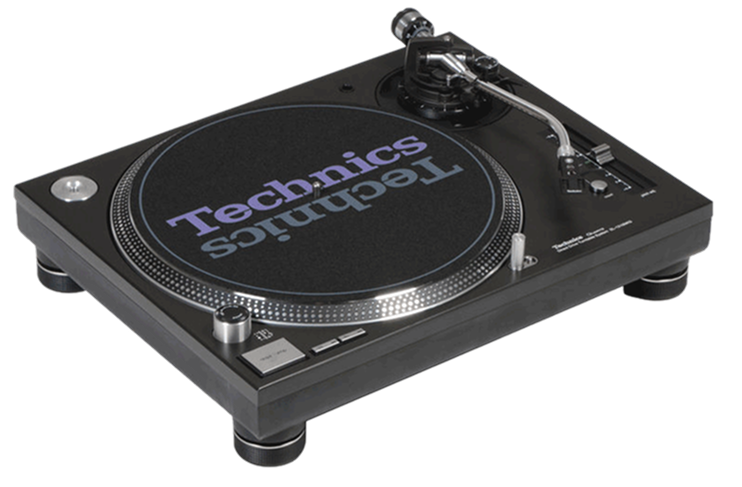
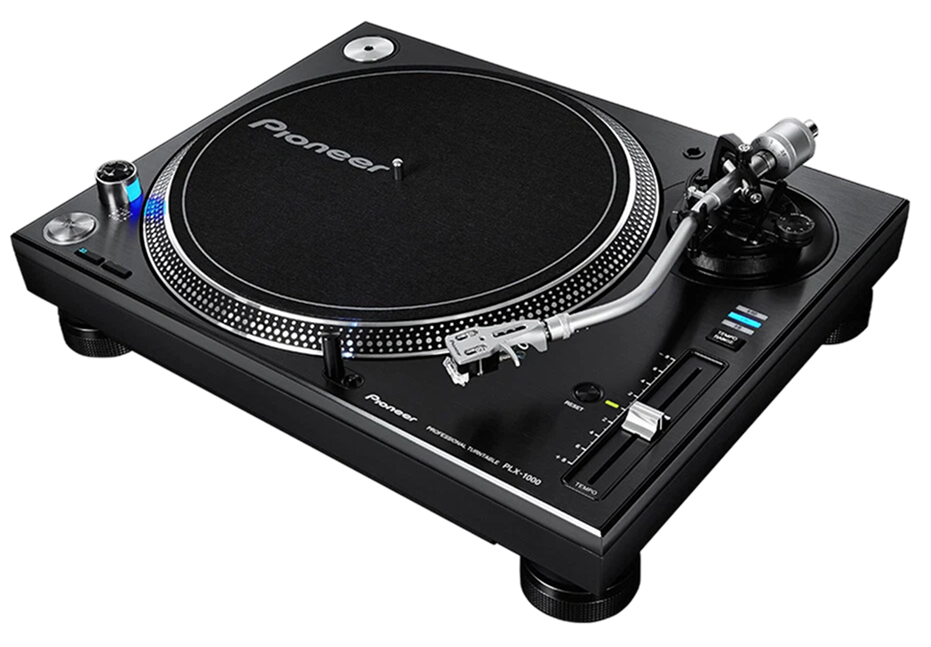
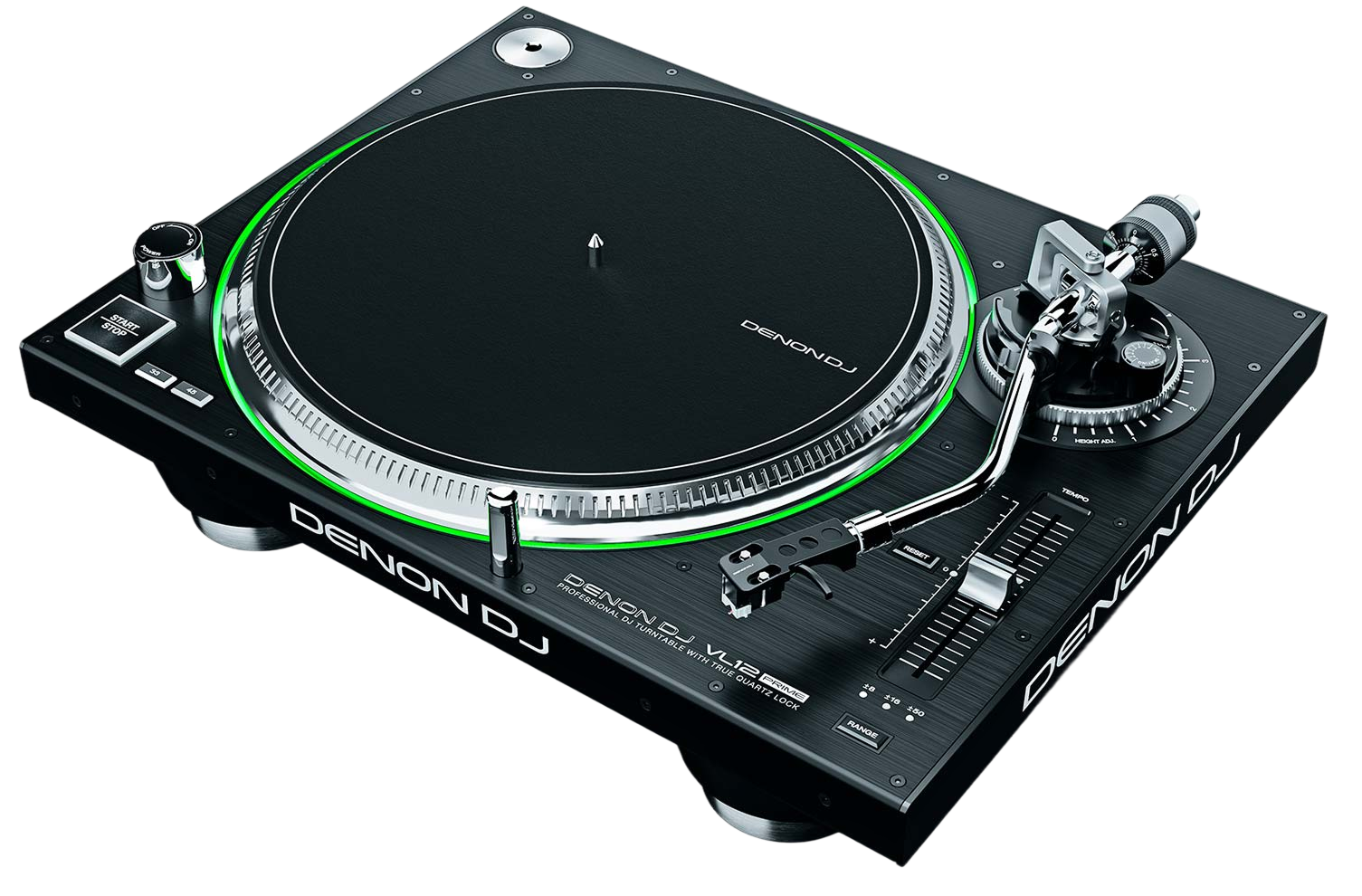
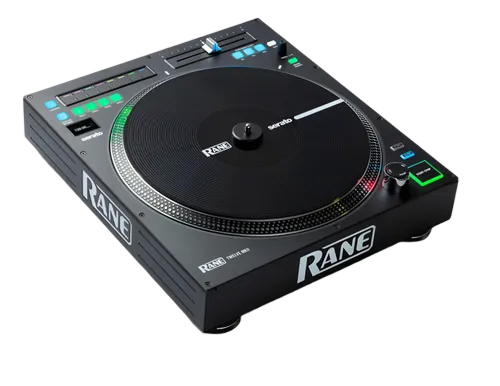
The Technics SL-1200 isn't just a turntable — it's the turntable, the single most important piece of equipment in DJ history. Launched in the 1970s and refined through legendary versions like the MK2, its high-torque direct-drive motor, heavy build and precise pitch control made it the tool that DJs and turntablists trusted above all others. Hip-hop was built on pairs of SL-1200s; club and house culture grew up on them; battle DJs scratch on them to this day. For decades, 'a pair of 1200s and a mixer' was the definition of a DJ setup.
What made it special was reliability and feel. Direct drive (the platter sits directly on the motor) means instant, consistent speed and the torque to withstand scratching without slowing down — unlike belt-driven turntables. The build is famously tough, surviving decades of club abuse.
Even in today's digital world the SL-1200 endures, both for playing actual vinyl and as a controller for DVS (digital files). Learning it connects you to the roots of the craft and gives you the most authentic feel there is. This guide covers setting it up, playing vinyl, and using it digitally.
02
Setup: platter, cartridge & tonearm
A turntable rewards careful setup. First, place the heavy platter onto the spindle and lay the slipmat on top (DJs use a slipmat rather than the rubber mat so the record can be held and moved by hand). Next, the cartridge — the part holding the needle (stylus) — mounts to the end of the tonearm; DJs typically use a sturdy cartridge designed for cueing and scratching.
Now balance the tonearm, which is the step beginners find fiddly but is just three moves. One: with the cartridge fitted and the arm free, turn the rear counterweight until the arm floats level on its own. Two: set tracking force — zero the dial at that balance point, then dial in the downforce your cartridge recommends (DJ cartridges often want around 3–4 grams) so the needle sits firmly in the groove and resists skipping. Three: set the anti-skate roughly equal to the tracking force to stop the arm drifting inward.
Done once, it stays. Get this right and the needle tracks the record cleanly even when you're cueing and nudging it. A well-set-up SL-1200 feels precise and dependable — which is exactly why generations of DJs have relied on it.
03
Playing vinyl: cueing & the pitch fader
Playing vinyl is wonderfully tactile. The start/stop button brings the platter up to speed almost instantly thanks to the high-torque motor. To cue a record — get it ready to drop in time — you hold the record still on the slipmat at the first beat with your hand, let the platter spin underneath, and release the record at the right moment so it launches in time with the other track. This hands-on cueing is a feel you develop with practice.
The pitch fader on the side adjusts the platter's speed by a small percentage, and it's how you beatmatch on vinyl: nudge it to make the record play slightly faster or slower until its tempo matches the other deck, then use tiny touches on the record or the platter edge to push the beats into alignment. There's no Sync button here — it's all ears and hands, which is exactly why learning on turntables builds such a strong sense of timing. (Our How to Beatmatch guide teaches the listening skill in full; the SL-1200 is the classic instrument to develop it on.)
Mastering vinyl cueing and beatmatching is deeply satisfying and makes you a better DJ on any gear, because it trains pure timing with no safety net.
04
Using the SL-1200 for DVS
You don't have to choose between the SL-1200's legendary feel and a digital library — DVS (Digital Vinyl System) gives you both. Instead of a music record, you play a special 'control' record (a timecode vinyl) on the turntable; software like Serato or rekordbox reads its signal and plays your digital track in perfect step, so you scratch, cue and spin a file on your laptop using the real Technics platter. You get the exact feel of vinyl with an unlimited digital collection.
To set it up, you connect the SL-1200 to a DVS-capable interface or a mixer with a built-in sound card (like the DJM-900NXS2 in our guide), then to your computer, drop the control record on, choose the deck in your software, and calibrate so it tracks cleanly. From then on, the digital track behaves like a record under your hand.
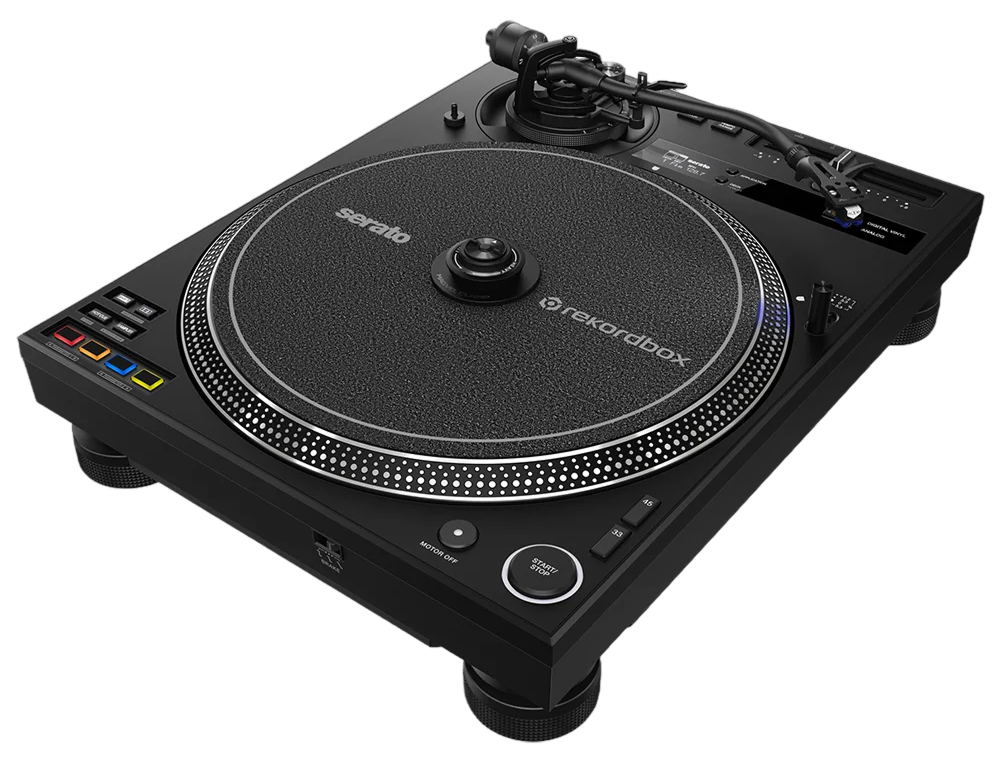
This is why the SL-1200 has stayed relevant for decades: turntablists and club DJs get the unbeatable feel and torque of the classic deck, with the convenience of digital. Our PLX-CRSS12 guide covers a modern hybrid take on the same idea, and our Scratching guide covers the technique — but the SL-1200 remains the original and the standard.
05
Caring for your turntable
Part of the SL-1200's legend is its durability — many units from the 1980s still work perfectly — but a little care keeps yours performing. The most important wear part is the stylus (needle): it wears down with use, and a worn stylus is the number-one cause of poor tracking, skipping and damaged records, so replace it periodically and handle it gently (it's delicate). Keep the platter and slipmat clean, and keep your records clean too, since dust in the groove degrades sound and wears the stylus faster.
Isolation matters for performance: place the turntable on a stable, solid surface away from the speakers, because vibration and bass travelling through a flimsy table can reach the needle and cause skips or feedback. The SL-1200's heavy build and feet help, but a good surface helps more.
Beyond that, the direct-drive motor needs no belt and very little maintenance, which is exactly why clubs trusted these for decades of nightly abuse. Treat the stylus and records with respect, give the deck a stable home, and an SL-1200 will outlast almost everything else you own — a genuine lifetime instrument.
06
Why vinyl skills still matter
In an age of Sync buttons and standalone units, why learn on a turntable at all? Because the skills it builds are the deepest in DJing and they transfer to everything. Beatmatching by ear and hand, with no Sync and no screen, trains a sense of timing and listening that no controller demands — and that ear makes you better at EQ, phrasing and knowing when a mix is truly clean. The tactile control of moving a record by hand is also the foundation of all turntablism and scratching, an art form digital jogs only imitate.
There's a cultural dimension too: the SL-1200 connects you to the roots of the craft, the decades of DJs who built this whole art on these decks. Understanding where mixing and scratching came from makes you a more complete, more respected DJ.
You don't have to play vinyl forever — most working DJs use digital gear for convenience — but time spent learning on an SL-1200 pays off on every other piece of equipment, because it teaches the fundamentals with no shortcuts. Pair this guide with our Techniques section, especially How to Beatmatch and Scratching, and the most iconic turntable ever made becomes the best teacher you could ask for.