01
What the SC6000M is
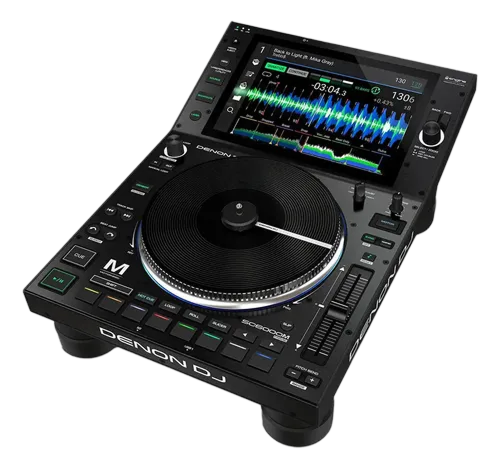
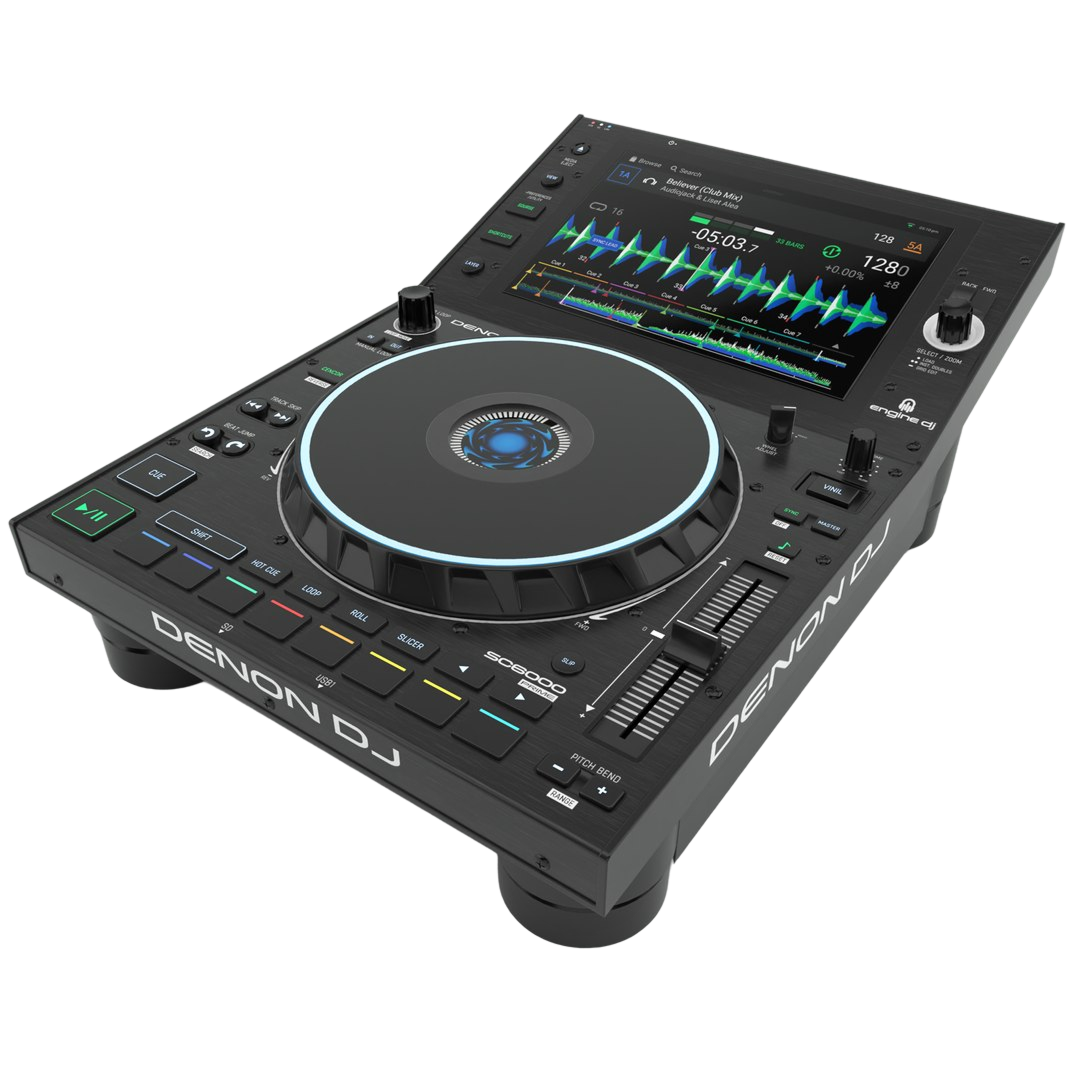
The Denon DJ SC6000M Prime is, in almost every way, the same machine as the SC6000 Prime (covered fully in its own guide): a flagship standalone media player with a 10.1-inch touchscreen, dual layer (two decks per unit), the Engine DJ ecosystem, an internal drive bay, built-in Wi-Fi and streaming. The single, defining difference is the 'M': a real motorised platter that physically spins, like a turntable, instead of the SC6000's static touch-capacitive jog.
Why does that matter? For some DJs, a great deal. A spinning platter gives an authentic, tactile vinyl feel — the record turns under your hand, fights back when you scratch, and returns exactly like vinyl. Turntablists and DJs who came from vinyl often strongly prefer this over a static jog, because techniques transfer directly and the feel is simply more 'real'. For others — many club and electronic DJs — a static jog is perfectly fine, and the motor isn't worth the extra cost and weight.
So the SC6000M exists to offer standalone digital power without giving up the spinning-platter feel. This guide focuses on what the motor changes; for sources, the touchscreen, dual layer and performance features, see our SC6000 guide, since those are identical.
02
The motorised platter
The motorised platter is the whole reason to choose the SC6000M, so it's worth understanding. Unlike a static jog wheel (a touch-sensitive disc that doesn't move), the SC6000M's platter actually rotates, driven by a motor with real torque — you can even place a vinyl disc and slipmat on it for the full turntable experience. When you push and pull it to scratch, it behaves exactly like a record: it resists, it returns, it carries momentum.
That means the scratch and cueing techniques you'd use on a turntable transfer straight across. Touch and move the platter to scratch; rest your hand on it to slow or stop; nudge the edge to bend the pitch into time. You can adjust the platter's torque and the start/stop braking to your taste, dialling in a snappy feel for tight cuts or a looser, classic-turntable glide.
For scratch DJs and anyone who values that authentic, physical connection to the music, this transforms the SC6000 from a capable digital player into something that feels like an instrument. Our Scratching for Beginners guide covers the technique; the SC6000M gives you a spinning platform to practise it on, with a digital library behind it.
03
Standalone power & dual layer
Beyond the platter, the SC6000M is a full standalone powerhouse, identical to the SC6000. It runs on Engine DJ (which can import your Serato or rekordbox library), plays from USB, SD, an internal SSD, networked players or built-in Wi-Fi streaming and cloud, and is driven by the large 10.1-inch touchscreen with clear waveforms and easy browsing. Our SC6000 guide covers all of this in detail.
It also keeps the dual-layer feature — each SC6000M runs two independent decks, so one unit is effectively two players and a pair gives you four decks. That pairs beautifully with the motorised platter: you can scratch and perform on a spinning deck while a second layer holds another track.
The performance pads (Hot Cues, loops, rolls, slicer), Quantize and the rest are all there too. So you're not trading features for the motor — you get the complete standalone package and the spinning platter. The trade-offs are simply cost and weight: the motorised version is pricier and heavier, which is the practical reason a DJ might choose the standard SC6000 instead.
04
Playing & performing
Performing on the SC6000M combines everything: prepare and load your track (Engine DJ, USB or streaming), cue it and beatmatch it to the other deck — and here you can do that with the tactile feel of a real platter, cueing a track by holding the spinning platter and releasing in time, just like vinyl. Blend on your mixer using EQ and the bass swap (our Gain Staging & EQ Mixing guide), and use the pads for cues and loops.
The motor genuinely changes how performing feels. Scratch routines, vinyl-style cueing, and the simple pleasure of a record spinning under your hand are all available, backed by a digital library, dual layer and streaming. For a DJ who loves the physicality of turntables but wants the convenience and power of a modern standalone, the SC6000M is a compelling best-of-both-worlds.
As with any gear, the fundamentals carry the performance — beatmatching, clean mixing, phrasing, tasteful effects — all covered in our Techniques section. The SC6000M simply gives you an especially satisfying, vinyl-like platform to perform them on, with everything the SC6000 offers behind the spinning platter.
05
SC6000M vs SC6000 vs CDJ
The choice between the SC6000M and the standard SC6000 comes down to one question: do you want a spinning, motorised platter? If you scratch, came from vinyl, or simply love the tactile feel of a turning platter, the SC6000M is worth the extra cost and weight. If you mostly mix electronic or club music with a static jog, the SC6000 gives you all the same features (dual layer, touchscreen, Wi-Fi, streaming, internal drive) for less money and in a lighter unit — many DJs are perfectly happy with it.
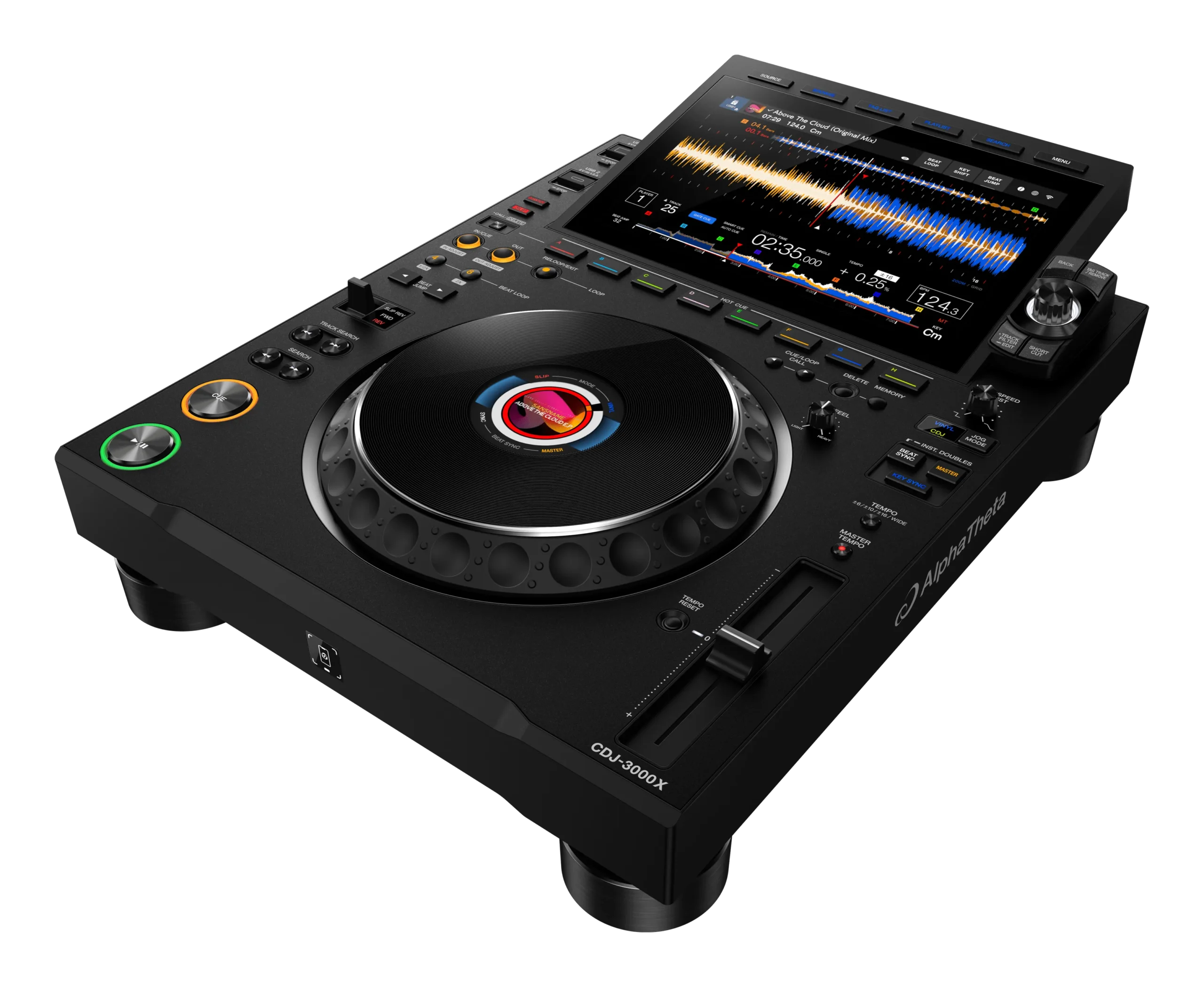
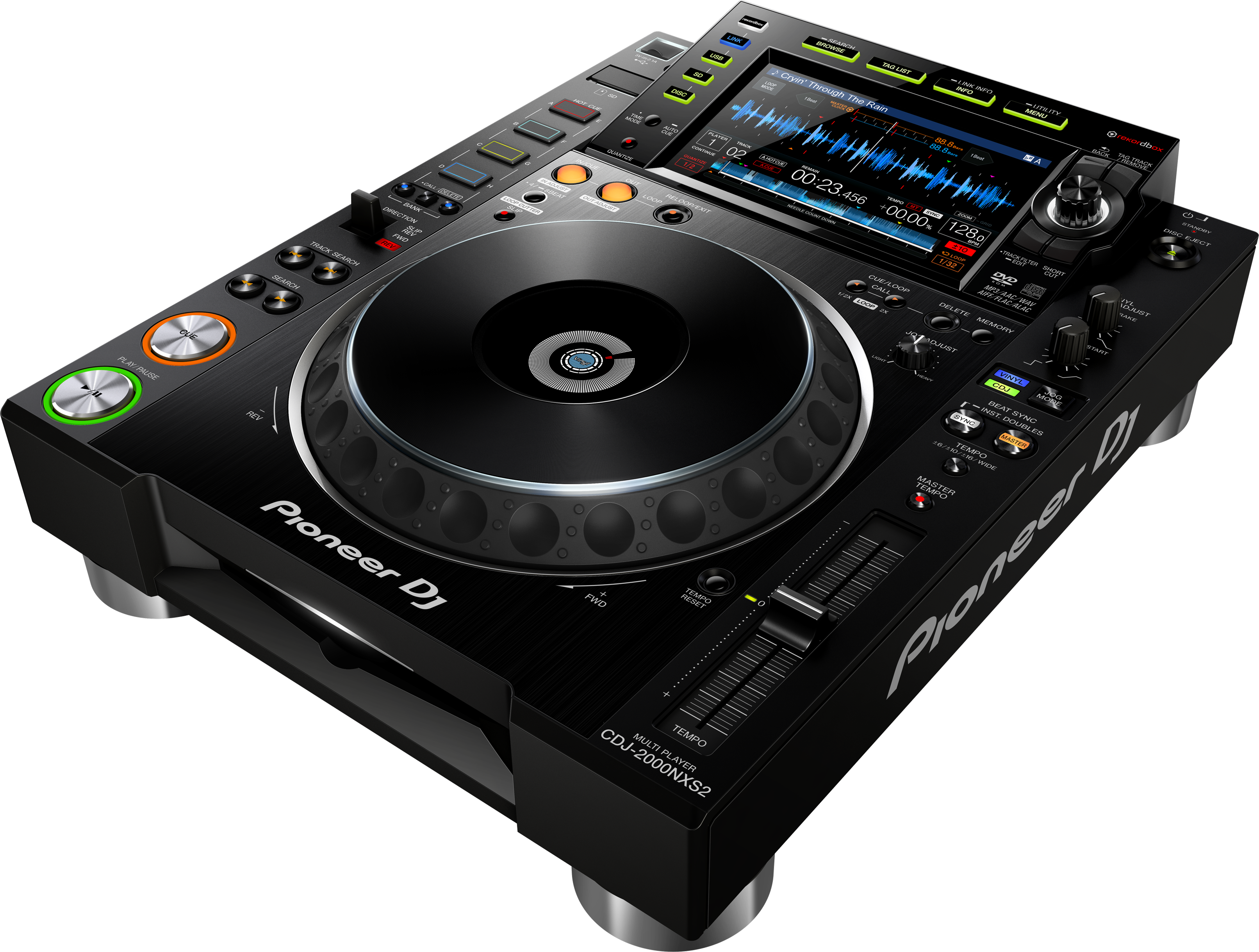
Against Pioneer's players, the SC6000M competes with the motorised feel of a CDJ-and-turntable hybrid while offering Denon's advantages — dual layer, streaming, internal drive — often at a better price. The main consideration remains the ecosystem: CDJs are installed in most clubs, while Denon's gear is something you're more likely to own yourself or find in select venues.
Whichever you pick, the skills are identical and transfer across all of it. Pair the SC6000M with our Techniques section — especially Scratching and Beatmatching, which its motorised platter is perfect for — and you've got a standalone deck that delivers both digital power and authentic vinyl feel.