Home/Monitoring/Pioneer HDJ-F10
Wireless DJ HeadphonesPioneer HDJ-F10 Wireless DJ Headphones
Pioneer DJ · Advanced

Pioneer HDJ-F10

Pioneer's wireless monitoring headphone with ultra-low-latency SonicLink — cue with no cable and no lag. Learn cable-free booth monitoring.

4
Lessons
Monitoring
Type
Advanced
Level
Overview

Everything the manual says — minus the headache.

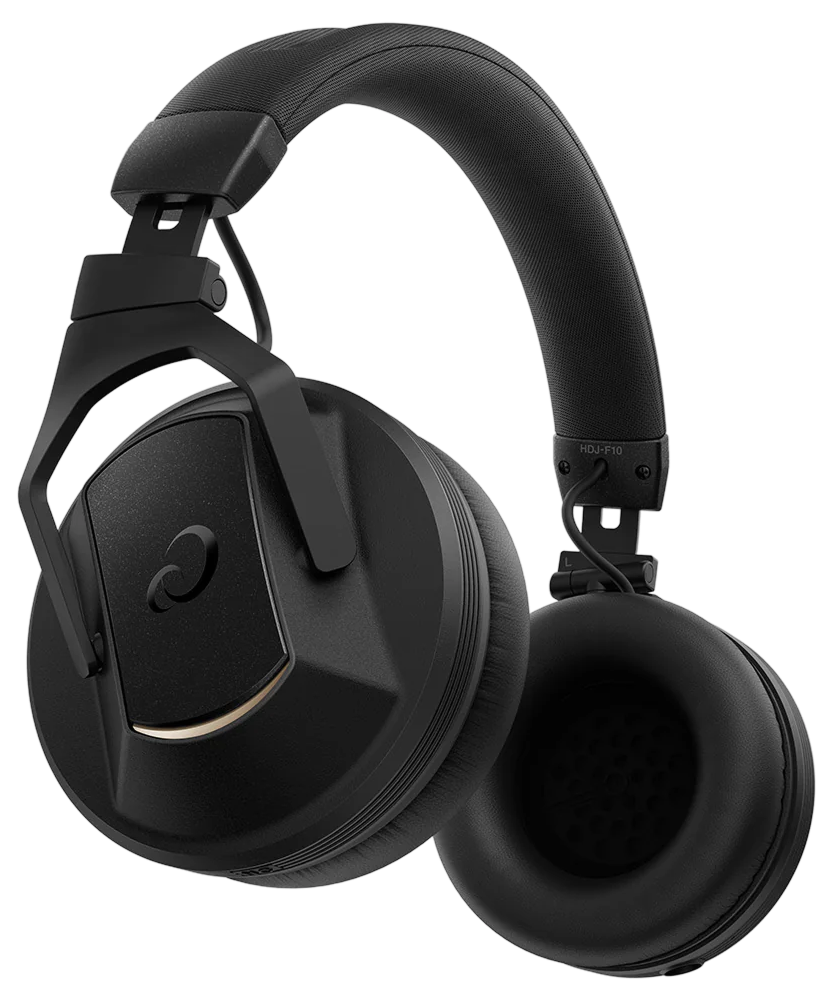
The Pioneer DJ HDJ-F10 is a specialist tool: a wireless DJ headphone using SonicLink, an ultra-low-latency wireless system that lets you monitor and beatmatch with no cable and effectively no lag — something ordinary Bluetooth can't do. Designed to pair with flagship gear like the XDJ-AZ, it frees you from the headphone lead in the booth. This guide explains the technology, when it's worth it, and how to use cable-free monitoring without losing the fundamentals.

  • Understand SonicLink and why latency matters
  • Pair the HDJ-F10 with compatible gear
  • Monitor and beatmatch cable-free
  • Know when wireless helps and when to go wired
Advertisement
Lessons
01

Why low-latency wireless matters

Wireless headphones have existed for years, so why is the HDJ-F10 special? The answer is latency. For listening to music, the small delay of normal Bluetooth doesn't matter. For DJing it's fatal: if the sound in your headphones lags behind reality even slightly, you can't beatmatch, because you're aligning beats to a delayed signal. The HDJ-F10 solves this with SonicLink, Pioneer's ultra-low-latency wireless technology. The delay is small enough that you can cue and beatmatch by ear exactly as you would on a cable — but with no cable. That removes one of the booth's oldest annoyances: the headphone lead that tangles, snags on gear, and yanks your head when you lean across the decks. This is a premium, specialist feature aimed at working DJs on flagship setups, not a beginner essential. But for someone who plays a lot, the freedom of movement and the absence of a cable to fight with is a genuine quality-of-life upgrade. This guide covers using it without losing any of the monitoring discipline a wired headphone teaches.

02

Pairing with your gear

SonicLink needs compatible hardware on the other end — the HDJ-F10 is designed to work with Pioneer's flagship gear such as the XDJ-AZ, which has the wireless monitoring system built in. You pair the headphone to the unit, and from then on your cue signal travels wirelessly with low latency. Set this up before a gig, not during one: confirm the pairing, check the battery is charged, and do a test cue to satisfy yourself the latency feels right and the connection is stable. Like any wireless tool, you're trading a cable for a battery and a radio link, so build the habit of charging it as part of your pre-gig routine. The HDJ-F10 can also be used wired, which is your safety net — if the battery dies or you're on gear without SonicLink, you plug in and keep playing. Knowing both modes means the wireless feature is a bonus, never a single point of failure. Treat the wireless as the convenience and the wired mode as the guarantee.

03

Cable-free monitoring

With the cable gone, the monitoring technique itself is unchanged — you still cue your next track privately, still monitor with one ear in a loud room, still beatmatch the cued beat against the master. What changes is freedom: you can step back from the decks, turn to talk to the crowd or another DJ, or reach across a wide setup without a lead tugging at your head. That freedom is most valuable on big rigs and busy stages where the cable would otherwise snake across multiple units. For back-to-back sets it's especially nice — no headphone lead to unplug and hand over. The discipline stays the same as any headphone (our HDJ-X10 guide covers the full cueing and one-ear workflow, and it applies here). The skill isn't different because it's wireless; the wireless simply removes friction. Keep your monitoring habits sharp and let the cable-free movement be the upgrade — not an excuse to drift away from hearing the room, which is still where your mix is judged.

04

When wireless helps — and when not

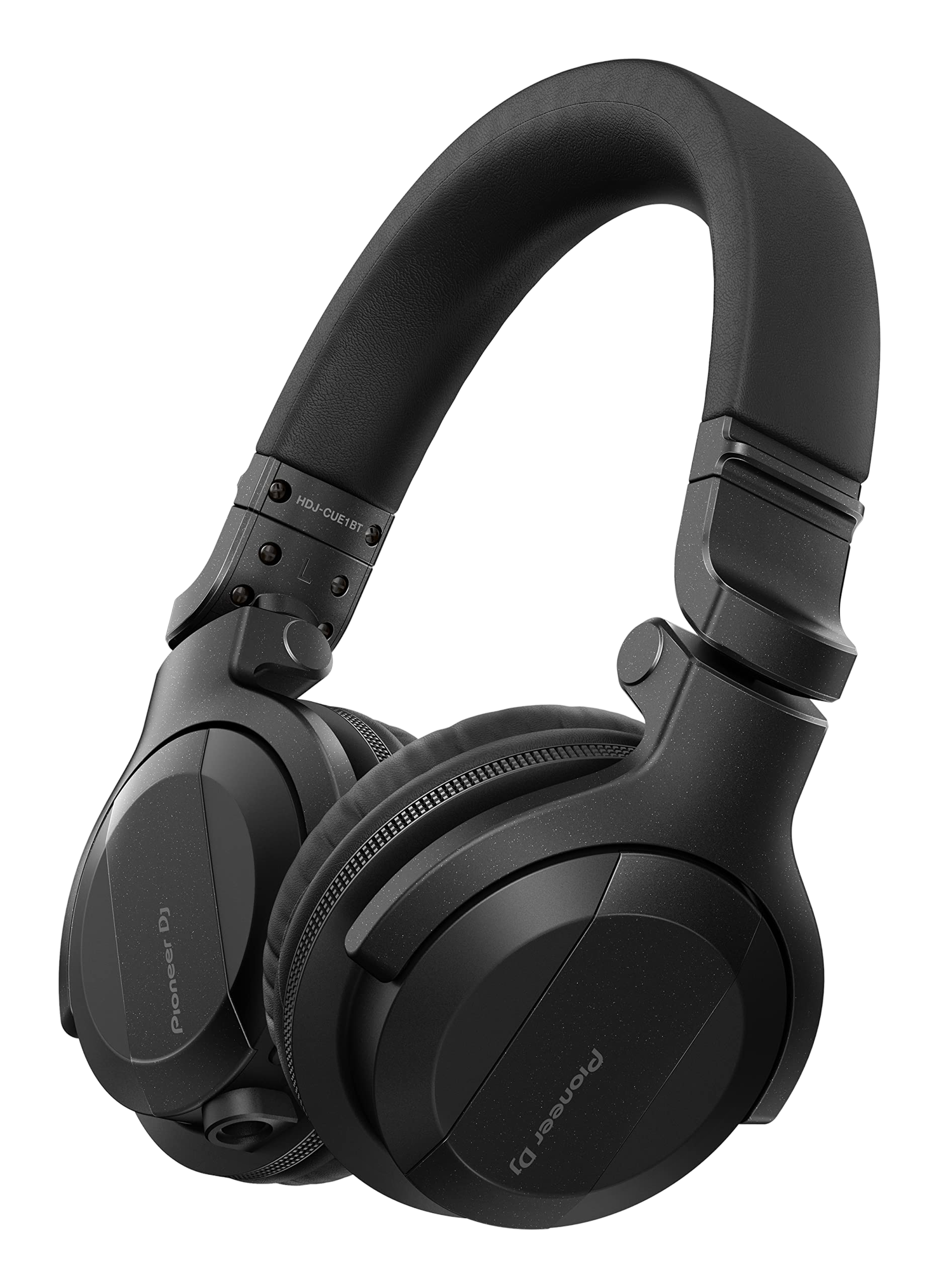
The HDJ-F10 is a luxury tool, and it's worth being clear-eyed about when it earns its keep. It shines for working DJs on compatible flagship gear who value freedom of movement, play long or back-to-back sets, or work on wide setups where a cable is a constant nuisance. The low-latency SonicLink makes it the rare wireless headphone you can actually beatmatch on. When is it not the answer? If you're a beginner, your money is far better spent on a solid wired headphone like the HDJ-CUE1 and on practice — the wireless convenience solves a problem you don't have yet. And if your gear doesn't support SonicLink, you lose the headline feature. The honest summary: the HDJ-F10 is a refinement for DJs who already have the fundamentals and a flagship setup, removing a small but real annoyance. The craft of monitoring — cueing, one-ear technique, beatmatching by ear — is identical to any headphone, and that craft, not the wireless, is what makes you good. Our Techniques section is where that skill is built.

Techniques to practise
Related gear
Advertisement