01
Why the HD 25 is legendary
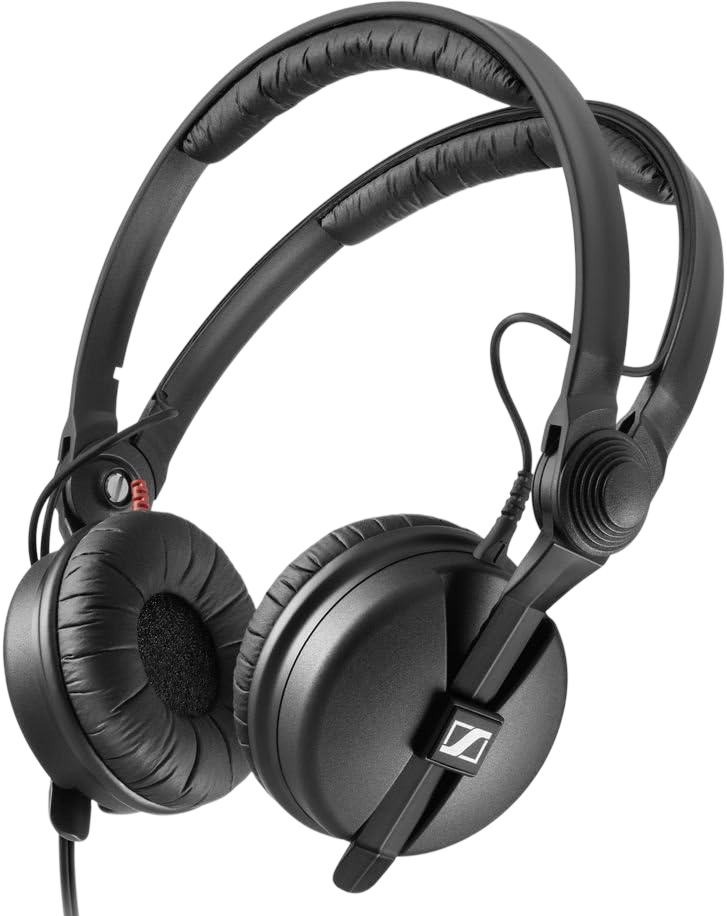
The Sennheiser HD 25 is a genuine icon — a headphone that has been strapped to DJs' heads in clubs around the world for decades, and is still one of the most recommended models you can buy. Its reputation rests on a few things that matter enormously in a booth. It's extremely lightweight and comfortable for long sets. It isolates brutally well despite its compact on-ear design — clamping firmly to seal out a loud room so you can clearly hear what you're cueing. Its sound is punchy and forward, especially in the bass and midrange, which is exactly what you want for locking onto a kick drum and beatmatching. And it's famously tough and repairable (more on that later).
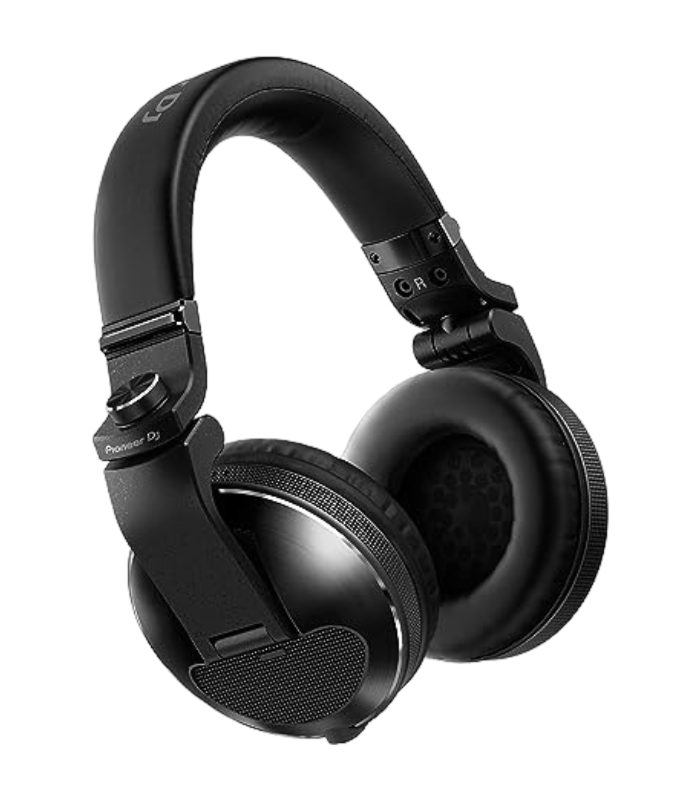
Unlike large over-ear headphones such as the Pioneer HDJ-X10 (in our guides), the HD 25 is an on-ear design — the pads sit on your ears rather than around them — which keeps it small, light and grippy. Many DJs prefer this for its security and isolation; it simply doesn't fall off or let the room in.
This guide covers what makes the HD 25 special and how to get the best from it. For the full craft of using DJ headphones — cueing and beatmatching by ear — our HDJ-X10 guide and Techniques section go deep, and it all applies here too.
02
The on-ear design & split headband
The HD 25's design is purpose-built for the booth. Its on-ear pads and firm clamping force press against your ears to create a strong seal, which is the secret to its excellent isolation — in a thumping club, that seal lets the cued ear hear your next track clearly. The firm fit also means the headphones stay put no matter how much you move, a real advantage when you're working hard.
A distinctive feature is the split (two-part) headband: the band divides into two struts over the top of your head. This isn't just styling — it spreads the clamping pressure and, crucially, lets you adjust the fit and even rotate one earcup easily for one-ear monitoring. You can swivel a cup off one ear to listen to the room while keeping the other sealed on your cue, the classic DJ posture.
The whole package is lightweight, so even with the firm clamp it stays comfortable over long sets (and you can gently adjust the clamp tension over time if you find it too tight at first). It's a design that prioritises exactly what a DJ needs — isolation, security and portability — over the plush comfort of a home listening headphone.
03
Cueing & one-ear monitoring
The core use of any DJ headphone, including the HD 25, is cueing: privately listening to your next track in your headphones — using your mixer's cue button and headphone mix — while the crowd hears only the current track, so you can prepare and beatmatch the next song unheard. We cover this workflow in detail in our HDJ-X10 guide and the techniques apply identically to the HD 25.
Where the HD 25 shines is one-ear monitoring in loud rooms. Because it isolates so well and one cup swivels easily, the classic move is natural here: keep one cup sealed on the ear you're cueing with, and slide or rotate the other off so you can hear the room and the speakers directly. The HD 25's grip means the single cup stays put while you work.
Its strong isolation also means you don't have to crank the volume to hear your cue over the room — which directly protects your hearing (covered shortly). For beatmatching by ear, the HD 25's punchy, forward sound makes the kick drums easy to lock onto, which is exactly why so many DJs have trusted it for this for so long. The skill is universal (see our How to Beatmatch guide); the HD 25 is simply one of the best tools to do it with.
04
The legendary repairable build
One of the biggest reasons DJs love the HD 25 is its near-indestructible, fully repairable design. Almost every part can be replaced individually: the ear pads, the headband padding, the cable, even the capsules and the headband itself are available as spare parts and click on and off. This means an HD 25 can last a lifetime — when the pads wear out from sweat and use, you pop on new ones; if the cable frays, you swap it; if you crack a part on tour, you replace just that piece.
This modularity is a practical superpower for a working DJ. Headphones take a beating in bags and booths, and a normal pair becomes e-waste when one part fails. The HD 25 just keeps going, which makes it economical over years despite the up-front cost, and means you build a relationship with one trusted pair rather than constantly replacing disposable ones.
The replaceable ear pads are also a hygiene and comfort win — fresh pads restore the seal (and therefore the isolation) and feel, keeping a years-old pair performing like new. When people say the HD 25 is the last headphone you'll need to buy, this is what they mean: treat it well, replace the wear parts, and it genuinely lasts.
05
Protect your hearing & care
The most important lesson with any DJ headphone is protecting your hearing, because it's the one thing you can't replace. DJs work in very loud rooms and press isolating headphones to their ears for hours, and far too many develop permanent damage and tinnitus — a constant ringing that never goes away. It's preventable. Keep your headphone volume as low as you can while still hearing the cue clearly — the HD 25's excellent isolation helps here, because it blocks the room instead of forcing you to drown it out. Take breaks away from the speakers, and seriously consider flat-response musicians' earplugs, which lower the volume without muffling the music. We cover this fully in our HDJ-X10 guide; please take it seriously from day one.
Caring for the HD 25 is easy thanks to its repairability. Replace the ear pads when they wear or flatten (cheap, and it restores the seal and comfort), swap the cable if it frays, and keep a spare part or two if you tour. Store them in a bag so nothing snaps in transit.
Do that, and the HD 25 rewards you with decades of service — which is exactly how it earned its legendary status. Pair it with the cueing and beatmatching skills in our Techniques section, and it'll be the trusted tool you cue on for your whole career.