Home/Monitoring/Audio-Technica ATH-M50x
Studio Monitor HeadphonesAudio-Technica ATH-M50x Studio Monitor Headphones
Audio-Technica · Intermediate

Audio-Technica ATH-M50x

The studio-standard headphone DJs use for prep and production. Learn what accurate monitoring gives you — and how it differs from booth cans.

4
Lessons
Monitoring
Type
Intermediate
Level
Overview

Everything the manual says — minus the headache.

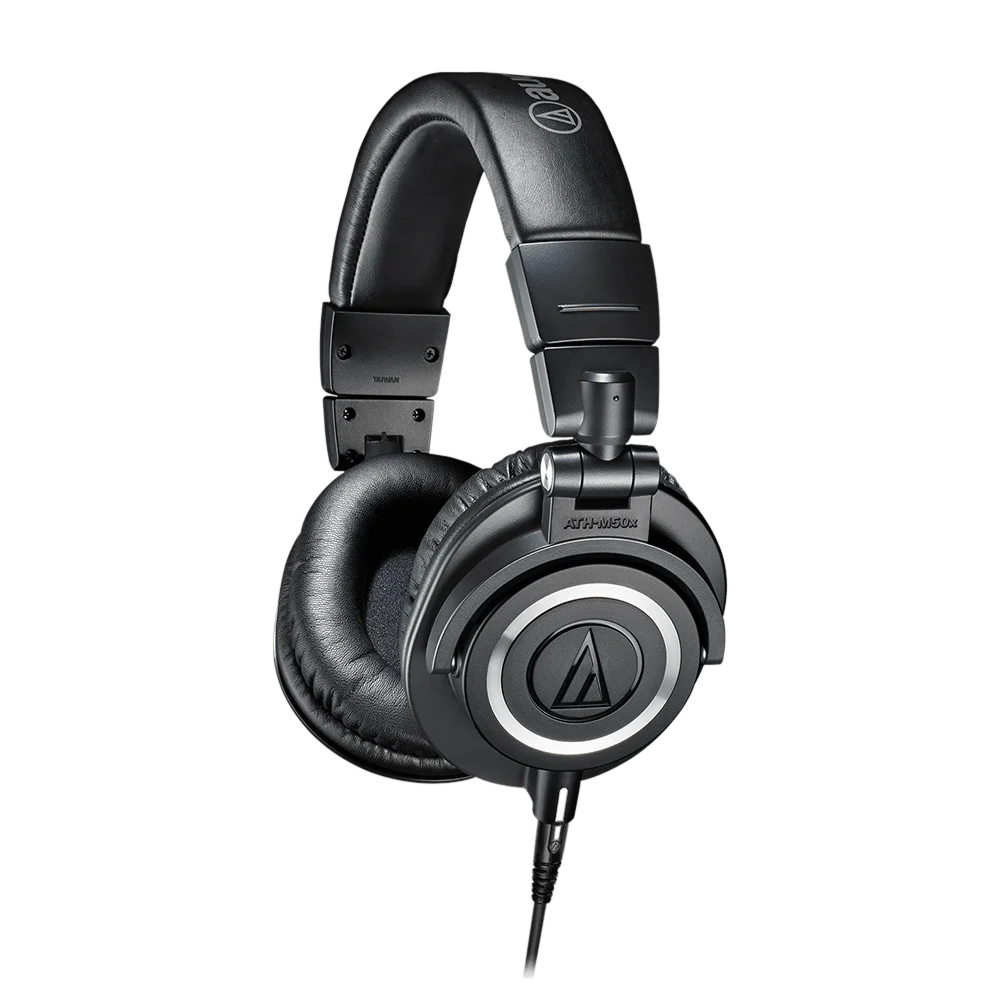
The Audio-Technica ATH-M50x is one of the most popular studio monitoring headphones in the world, and a favourite of DJs for track preparation, production and home practice. Unlike booth-focused DJ cans, it's tuned for accuracy — it tells you the truth about a track. This guide explains what accurate monitoring gives a DJ, how the M50x differs from cans built for loud booths, and how to use it in your workflow.

  • Understand accurate, neutral monitoring
  • Use the M50x for track prep and library work
  • Know how studio cans differ from booth headphones
  • Fit it into a DJ and production workflow
Advertisement
Lessons
01

Accurate monitoring, not booth hype

The ATH-M50x comes from a different world than DJ booth headphones. It's a studio monitoring headphone, designed to reproduce music accurately rather than to be loud and bass-forward for a club. That accuracy is exactly why so many DJs own a pair — not for the booth, but for everything around it. It's built with large 45mm drivers, a well-controlled frequency response, strong isolation from its closed-back design, detachable cables, and cups that fold and swivel. The sound is detailed and fairly neutral: you hear what's actually in a track, including its flaws. That honesty is the point. A booth headphone hypes the bass so you can lock onto a kick over a loud system; a studio headphone like the M50x instead shows you the real balance of a track — useful when you're choosing music, checking your own edits, or producing. This guide is about using that accuracy as a DJ, and understanding when you want it versus when you want a booth-tuned can.
02

Using it for track prep

A huge part of DJing happens before the gig: listening through new music, setting cue points, checking intros and outros, and deciding what works. The M50x is excellent for this because its accurate sound lets you really hear a track — the quality of the master, where the bass sits, whether a transition section is clean. When you prepare your library (our Organize Your DJ Library guide covers the workflow), the M50x helps you make better calls: you'll notice a poorly mastered file, hear the exact bar where a breakdown starts, and judge whether two tracks will sit well together harmonically and tonally. That detail pays off when you're mixing live. Because it isolates well and is comfortable for long sessions, it's also pleasant for the hours of listening that good preparation involves. Think of the M50x as your studio ear: the place you do the careful, accurate listening that makes your live sets sound effortless because the hard choices were already made at home.

03

Studio cans vs booth headphones

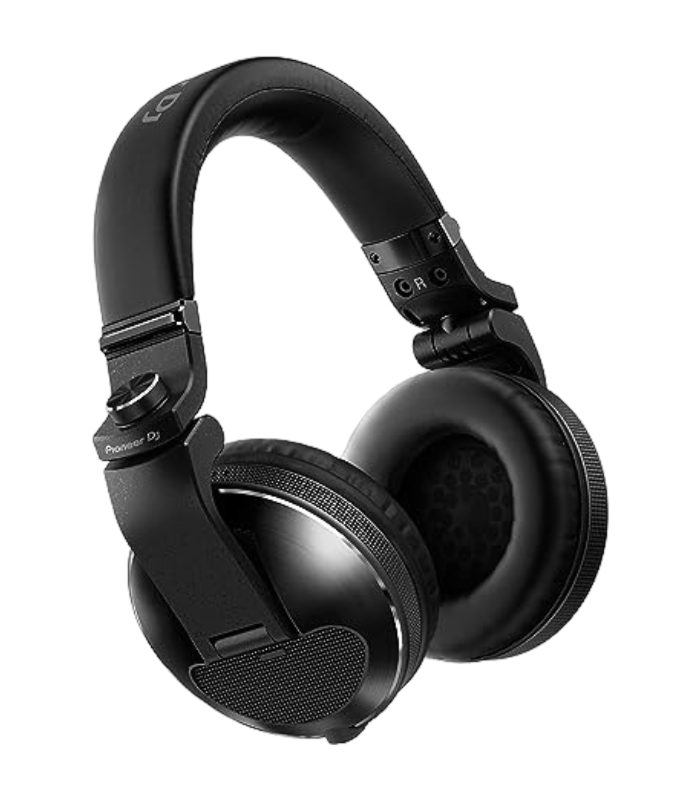
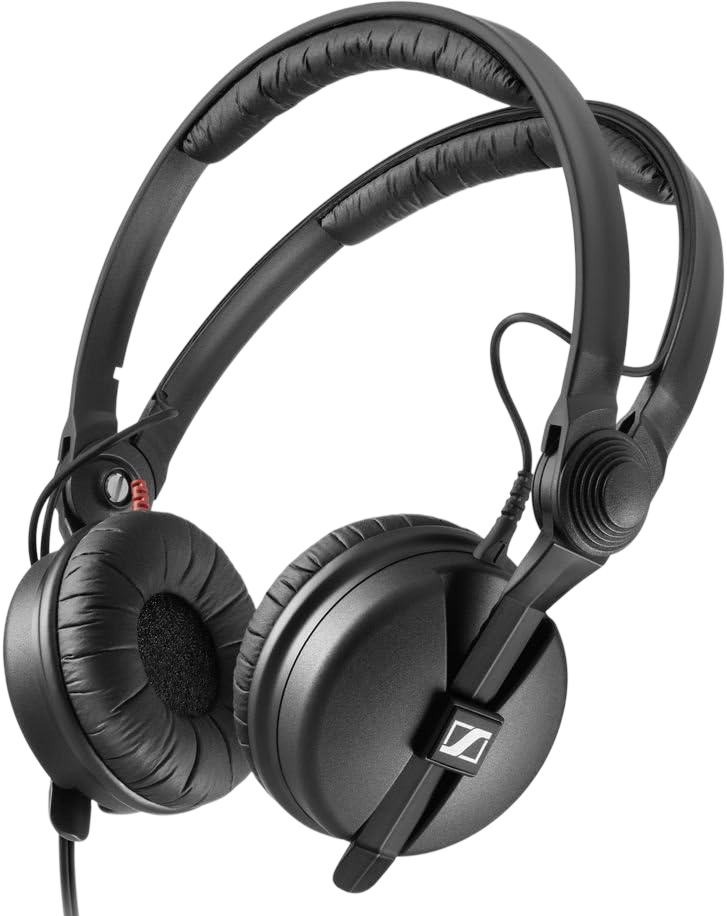
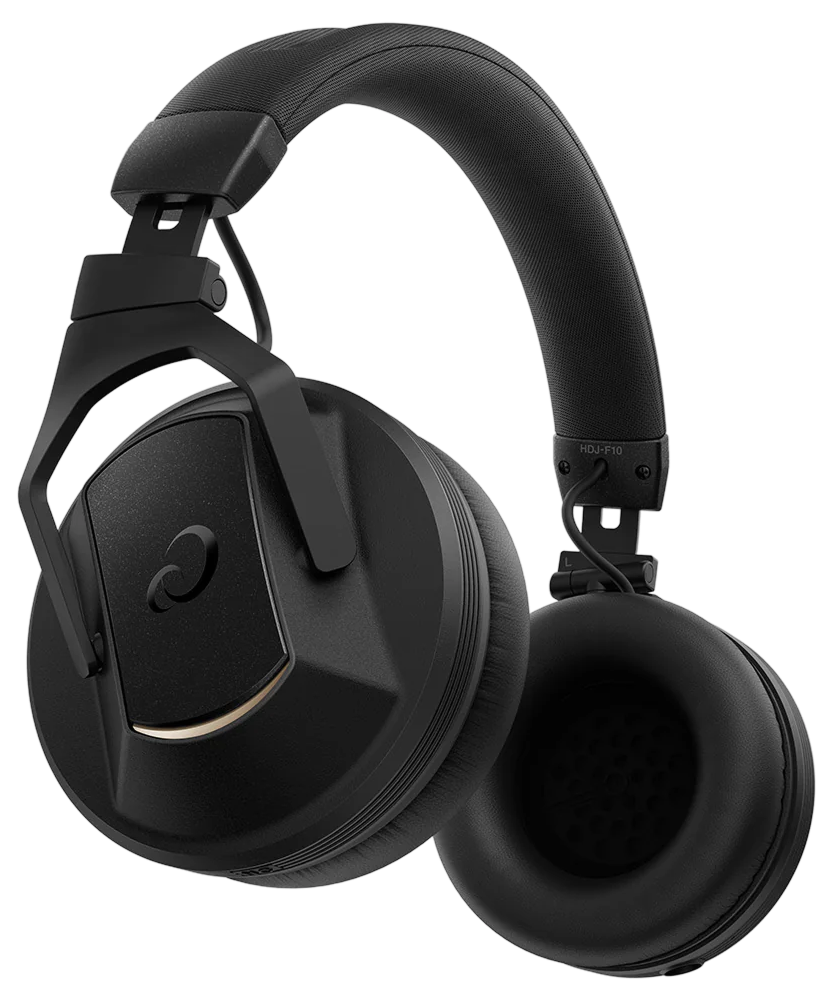
It's worth being clear about what the M50x is not: it's not primarily a booth-cueing headphone. Booth cans like the Pioneer HDJ-X10 or Sennheiser HD 25 are built for a specific job — hyped bass to lock onto a kick over a deafening system, brutal isolation, and a grippy fit that survives a sweaty gig. The M50x is tuned for accuracy instead, so over a very loud system its more neutral bass can make beatmatching a touch harder than a bass-forward booth can. That doesn't mean you can't DJ on it — plenty of people do, especially at home and in quieter settings, and its isolation is genuinely good. It's more that the two types optimise for different things. Many DJs own both: a booth headphone for gigs, and the M50x for prep and production. Understanding this distinction makes you a smarter buyer. If you only want one headphone for loud clubs, a dedicated booth can is the safer choice; if you also produce or prepare carefully, the M50x's accuracy is invaluable. Our HDJ-X10 guide covers the booth side of this craft.

04

Fitting it into your workflow

The smartest way to think about the ATH-M50x is as the accurate half of your monitoring kit. Use it where truth matters: preparing tracks, setting cues, checking your recorded mixes back critically (our Record & Stream Your Sets guide), and — if you make music — producing and editing. Pair it with a booth headphone for the loud, bass-forward job of cueing in a club. Its practical features support this role: detachable cables mean you can swap a worn one rather than replace the headphones, the folding design makes it easy to carry between home and studio, and the comfort suits long listening sessions. If you only ever play quiet home setups, the M50x can absolutely serve as your single headphone. But its real strength shows when you treat it as the precise, honest tool it was built to be — the one that shows you exactly what's in the music, so every decision you make about your sets is based on what's really there. Accurate ears make better DJs, and that's what the M50x gives you.

Techniques to practise
Related gear
Advertisement