01
Preparing your music & game plan
Great first gigs are won in preparation. Start with your music: build a focused selection of tracks suited to the gig — far more than you'll need, organised into playlists by energy (warm-up, peak, breather) so you can find the right track fast (see our Organize Your DJ Library guide). Prepare them fully: analysed, gridded, with hot cues set, so nothing trips you up live.
Have a loose game plan but don't over-script it. Sketch how you might open and build, and pick a few 'banker' tracks you know always work — but stay ready to throw the plan out and read the room (more on that later). Rigidly planning every track usually backfires, because the crowd won't follow your script; a flexible plan with strong options is the goal.
Practically, know your slot: what time you play, how long, and where in the night you sit (warming up vs peak time changes everything — see our How to Build a DJ Set guide). And rehearse: practise mixing the kind of set you'll play, ideally recording it (our Record Your Sets guide) so you arrive confident in your transitions. Walking in prepared is the single biggest thing that turns first-gig nerves into first-gig fun.
02
The venue & the gear
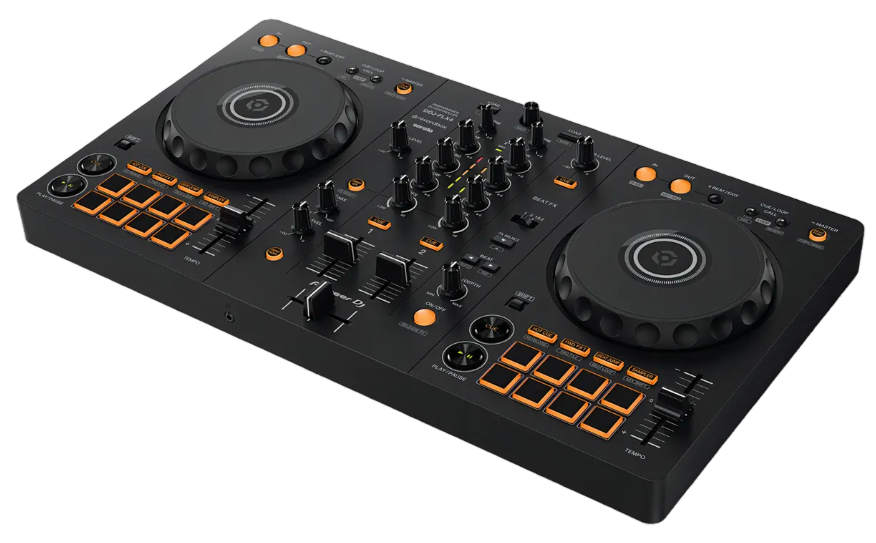
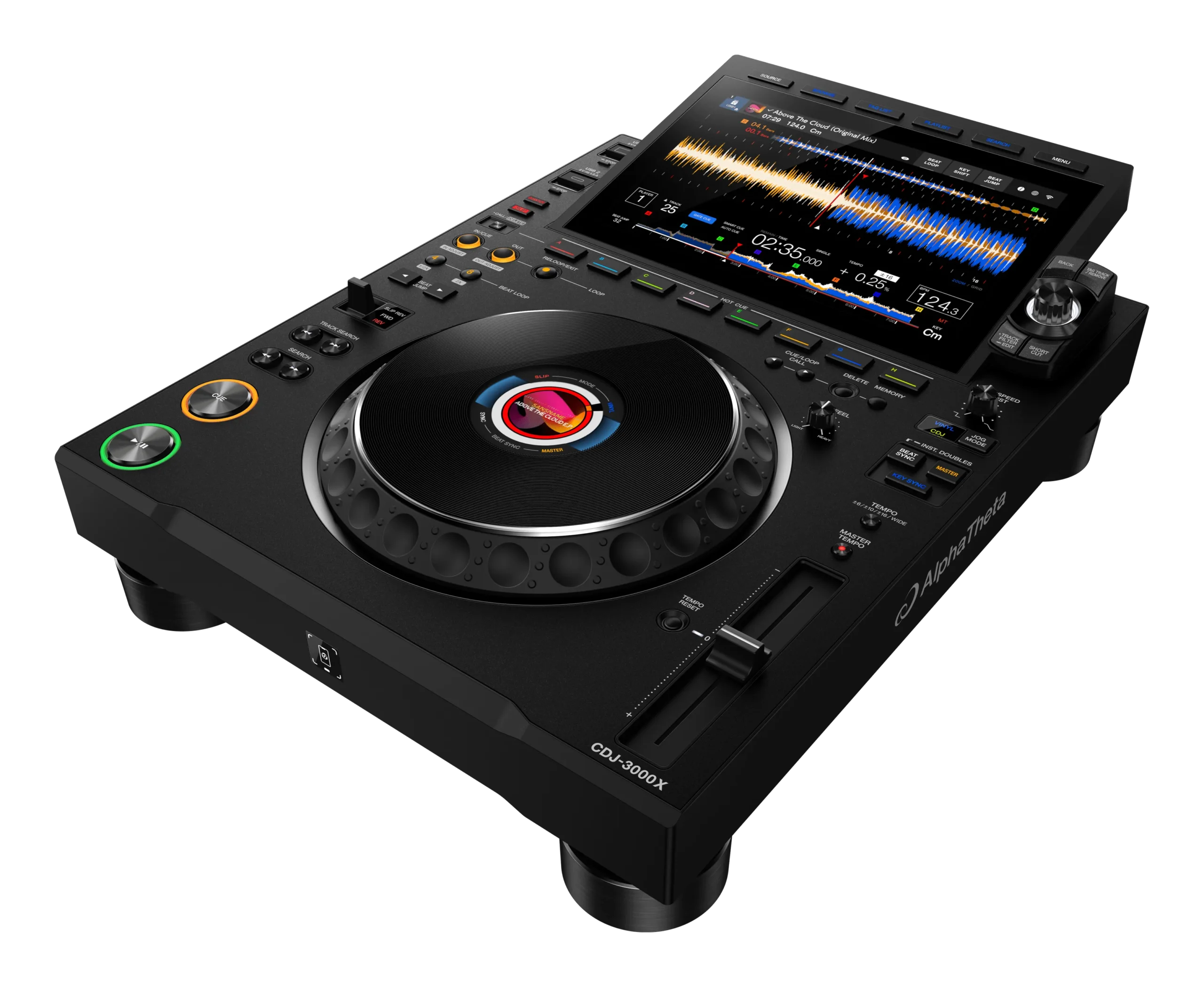
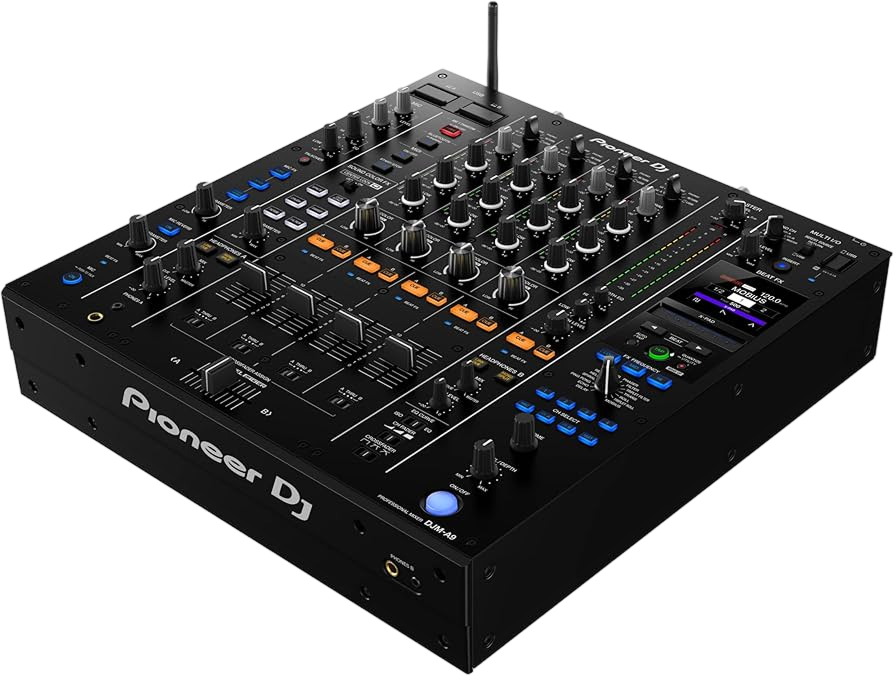
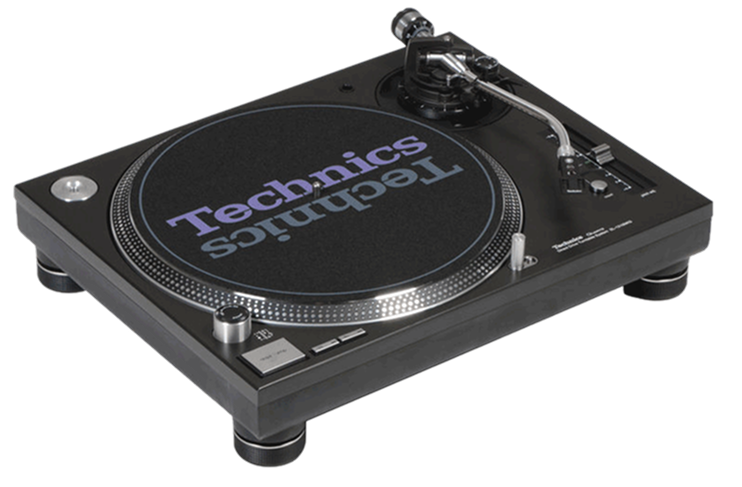
A major source of first-gig stress is unfamiliar gear, so reduce it in advance. Find out what you'll be playing on — most clubs have CDJs and a DJM mixer (our CDJ and DJM guides will make these familiar), but smaller venues vary. Knowing the setup lets you prepare: if it's CDJs, you'll bring your music on USB sticks (always two, as backup); if you're bringing your own controller, check you can connect it.
Get there early. Arriving with time to spare lets you watch how the current DJ uses the gear, locate the key controls, and sort any connection issues calmly rather than in a panic as your slot starts. If you can, ask the previous DJ or the sound tech a quick question — most are happy to help a newcomer.
Do a mental checklist: USB sticks (×2) loaded and ejected safely, headphones, any adapters, and your music backed up. Check how the booth monitor and master levels work so you don't blast the room or deafen yourself. Familiarity breeds calm — the more you know about the venue and gear before you touch it, the more you can focus on actually playing a good set.
03
Nerves, mistakes & the handover
Everyone is nervous at their first gig — it's normal, and a little adrenaline actually sharpens you. The key is managing it. Breathe, start with a track and a transition you've practised a hundred times so your first move is rock-solid, and remember the crowd is on your side and mostly not scrutinising your mixing. Confidence grows fast once the first few minutes go well.
You will make mistakes — a beatmatch drifts, a transition clashes — and the secret is that they matter far less than you think. The crowd usually doesn't notice small errors, and even a train-wreck is forgotten in seconds if you recover calmly: bring the bass back, find the beat, carry on. Don't freeze or apologise; just fix it and keep the energy going. How you recover matters more than the mistake.
The handover — taking over from the previous DJ — is its own small skill: agree a moment, beatmatch your first track into theirs if you can (or at least come in cleanly on a phrase), and ease in rather than slamming the room with your biggest tune. A smooth takeover sets a confident tone. Handle nerves, recover gracefully, take over cleanly — and you've already cleared the hardest part of a first gig.
04
Reading the room & playing the slot
The biggest first-gig lesson is to play for the room, not for yourself. Watch the crowd constantly (see our Reading the Room lessons in How to Build a DJ Set): are they dancing, nodding, leaving the floor? Adjust to what's working. The most common rookie mistake is playing all your biggest, hardest tracks immediately to impress — which exhausts the room and leaves nowhere to go. Restraint and patience read as skill.
Respect your slot. If you're the warm-up, your job is not to peak — it's to set a mood and gently build energy so the next DJ can lift it; dropping anthems in the warm-up slot is a classic error that annoys promoters and headliners. If you're on at peak time, build to your big moments with breathers between them. Playing the right energy for your position in the night is what gets you respected.
And match the venue and crowd, not just your personal taste — a great DJ reads what this specific room wants and serves it while weaving in their own selections. Your first gig isn't the place to force an experimental set on an unreceptive crowd; it's the place to show you can keep a floor happy and play your role well. Do that, and you've nailed it.
05
Getting booked again
Whether you get asked back depends on more than your mixing. Promoters and venues rebook DJs who are easy to work with, so professionalism off the decks matters as much as the set. Show up on time (early, really), be friendly to the staff, the sound tech and the other DJs, and don't be a diva about the gear or the slot. A reliable, pleasant DJ who plays a solid set beats a brilliant one who's a hassle.
In the booth, follow basic etiquette (see our DJ Booth Etiquette guide): don't touch the other DJ's gear or mix, keep your levels sensible, and hand over graciously. Thank the promoter, and if it went well, it's fine to express that you'd love to play again.
Afterwards, the relationship continues: a quick thank-you message, sharing a recording or photos that promote the night, and staying in touch all help. Many gigs come from being remembered as someone who delivered and was great to have around.
Finally, reflect: listen back to your recording (you did record it, per our guide), note what to improve, and celebrate that you did it. Your first gig is a milestone — play a solid set, be a professional, and you set yourself up not just to be asked back, but to build a real DJing path from here.