01
Radio, records & the first DJs
The word 'disc jockey' was coined in the 1930s for radio announcers who played records on air — the first people whose job was choosing and presenting recorded music to an audience. But the DJ as we know it began when that idea moved from the airwaves to the dance floor.
The crucial leap happened in Jamaica in the 1950s and 60s with sound systems: crews who'd set up enormous speaker stacks at street parties and play the latest records to dancing crowds. The 'selector' chose the tunes and the 'toaster' talked and chanted over them — a direct ancestor of both modern DJing and rap. Sound-system culture established the core idea that the DJ is a performer, that the selection itself is an art, and that the right record at the right moment moves a crowd.
This is the root of everything that follows. Long before any of the gear in our equipment guides existed, the fundamental job was already defined: read the crowd, choose the music, and keep people dancing. Every skill you'll learn serves that same century-old purpose.
02
The Bronx: hip-hop is born
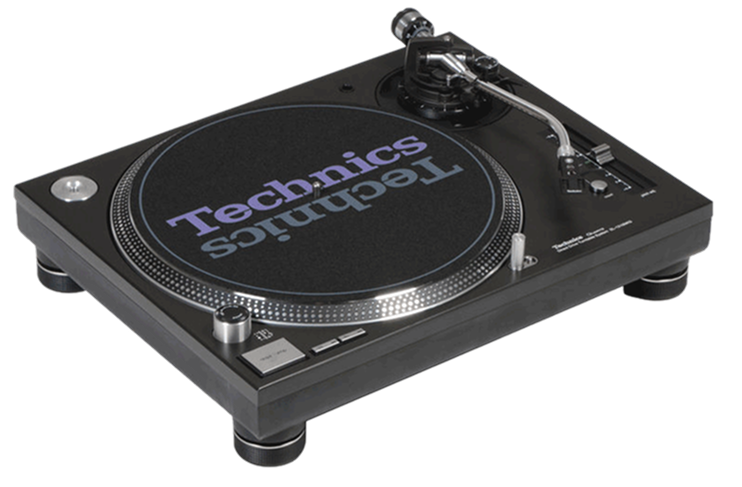
In the early 1970s in the Bronx, a Jamaican-born DJ named Kool Herc noticed that dancers went wildest during a record's 'break' — the stripped-back, drums-and-bass section. So he used two copies of the same record on two turntables, switching between them to loop that break indefinitely. The breakbeat was born, and with it, hip-hop.
Others built on it. Grandmaster Flash refined the technique into a science, developing ways to cue and blend precisely. Grand Wizzard Theodore is credited with inventing scratching — moving the record back and forth under the needle to make it an instrument. Suddenly the turntable wasn't just playing music; it was making it.
This is the origin of turntablism and of much of the DJ vocabulary you'll use — cueing, looping, scratching, beat juggling (see our Scratching for Beginners and Looping & Hot Cues guides). It also cemented the DJ as the centre of a culture, not just a music-player. When you loop a break or set a hot cue today, you're using ideas invented at Bronx block parties fifty years ago.
03
Disco & the art of the seamless mix
While hip-hop grew uptown, downtown New York was inventing the other half of modern DJing: the seamless, continuous mix. In disco temples like the Loft and the Paradise Garage, DJs such as David Mancuso and especially Larry Levan treated a whole night as a single, flowing journey — beatmatching one record into the next so the dancing never stopped.
This is where the craft of the transition — beatmatching, blending, using EQ, building energy across hours — was perfected (our How to Build a DJ Set and Gain Staging & EQ guides are direct descendants). Levan's near-spiritual sets at the Garage made the DJ an artist whose medium was other people's records, arranged and mixed into something new. The idea of the DJ as a curator who tells a story across a night, rather than just playing requests, comes straight from this era.
Disco also gave us the 12-inch single, the extended mix, and club culture as a place of community and freedom. When you plan a set's arc or aim for an invisible transition, you're continuing the tradition the New York disco DJs created.
04
Chicago & Detroit: house and techno
When disco faded commercially in the early 1980s, its dance-floor spirit didn't die — it mutated. In Chicago, DJs at clubs like the Warehouse (which gave 'house' music its name) began making rawer, more electronic, drum-machine-driven tracks to keep the energy going. Pioneers like Frankie Knuckles, Larry Heard and Marshall Jefferson built house music from disco's bones, a Roland TR-909, and a four-to-the-floor kick.
Meanwhile in Detroit, Juan Atkins, Derrick May and Kevin Saunderson — the 'Belleville Three' — fused funk and European electronic music into something colder and more futuristic: techno. Crucially, in both cities the DJs became producers, making the very records they played. The line between DJing and music production blurred permanently.
These genres, born in Black American communities, then exploded worldwide, fuelling the UK rave explosion and the global club scene. House and techno remain the backbone of dance music — and understanding their structure and feel is what our Genres and Music Theory for DJs guides are about. Nearly every electronic record you'll mix traces back to these two cities.
05
The modern DJ & where you fit
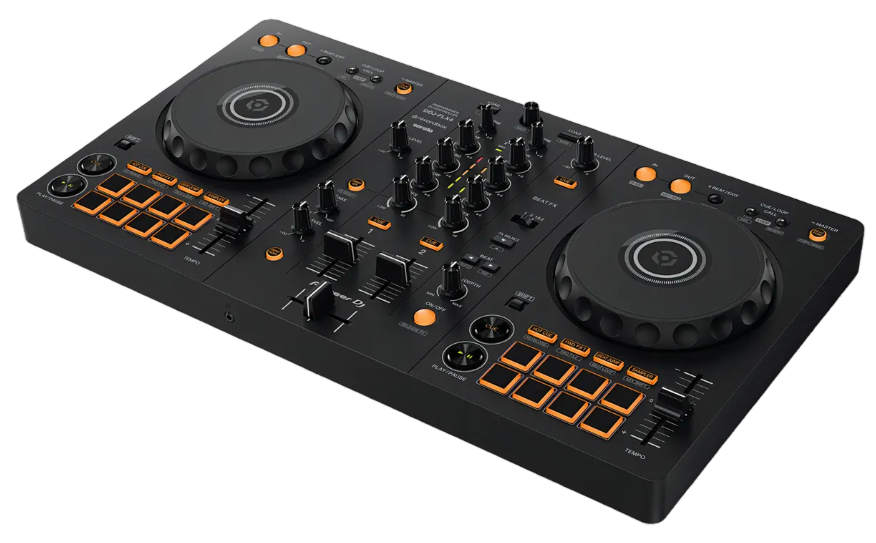
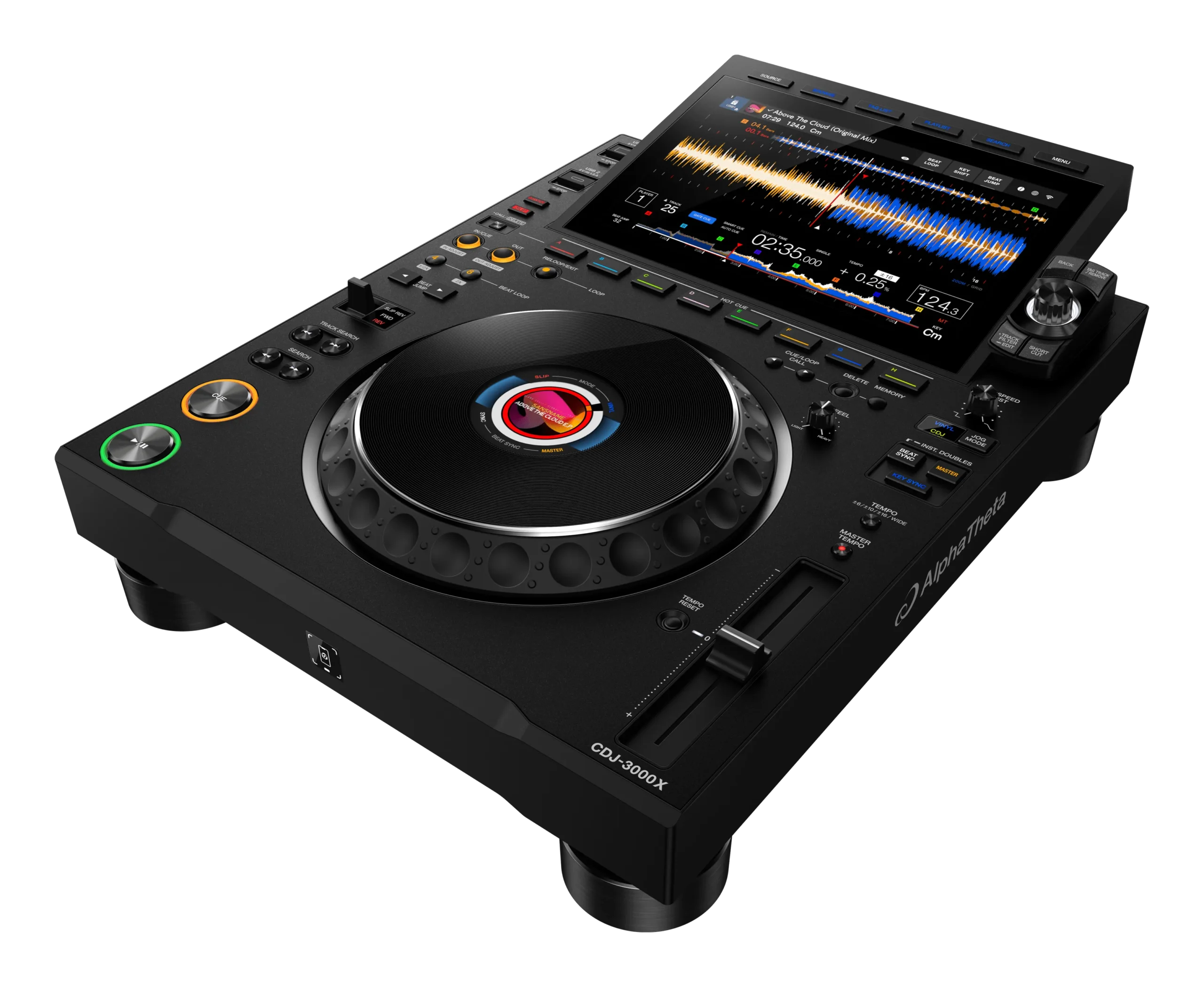
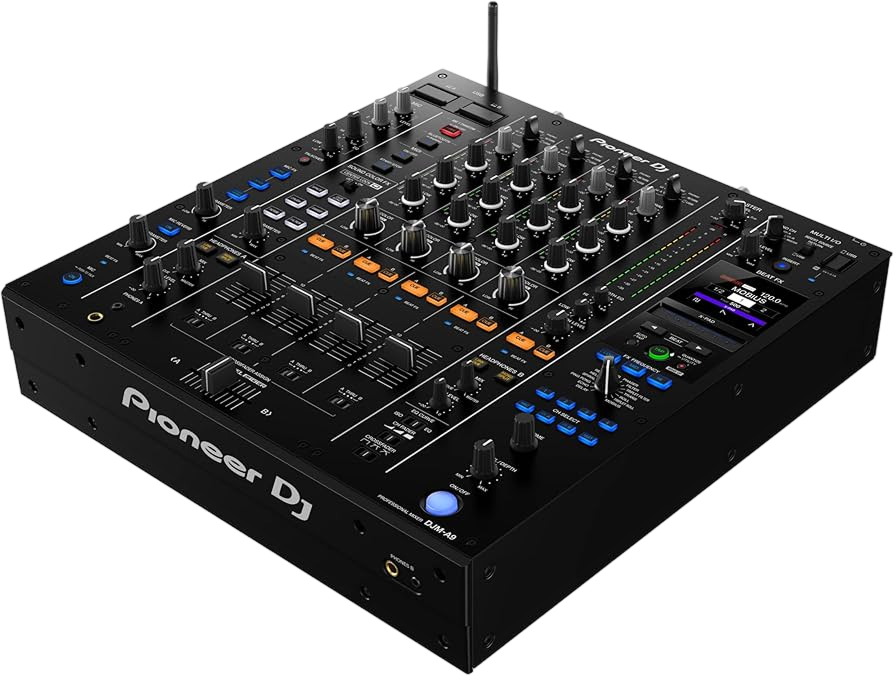
From the 1990s on, DJing went global and digital. CDJs freed DJs from carrying vinyl; software like Serato and rekordbox, and timecode/DVS systems, put entire libraries on a laptop; controllers made the craft affordable for everyone. The superstar-DJ era put DJs on festival main stages in front of tens of thousands. Today a teenager with a cheap controller has access to tools the pioneers couldn't have dreamed of.
But here's the thing worth holding onto: the tools changed, the job didn't. Whether it's Kool Herc with two turntables, Larry Levan with a crate of disco, or you with a controller and a laptop, the essence is identical — choose the music, read the room, and move people. The technology in our equipment guides is just the latest way to do a very old thing.
Knowing this history isn't trivia. It tells you what the craft is really about, connects you to a rich culture rather than just a hobby, and gives you taste and depth that pure button-knowledge never will. You're not just learning to use gear — you're joining a lineage. That's what makes a DJ, not a playlist.