Home/Techniques/DJ Booth Etiquette
Performance skill · Beginner

DJ Booth Etiquette

The unwritten rules of the booth — how to behave around other DJs and club gear so you earn respect and get rebooked.

Why it matters

DJing has unwritten rules, and breaking them is the fastest way to annoy other DJs, promoters and engineers — even if your mixing is great. This guide covers booth etiquette: how to behave around club gear and other DJs, the handover, levels, and the professional conduct that earns you respect and repeat bookings.

  • The cardinal rules of the booth
  • How to share gear and hand over smoothly
  • Managing levels and respecting the sound system
  • Conduct that earns respect and rebookings
Advertisement
Lessons
01

The cardinal rules

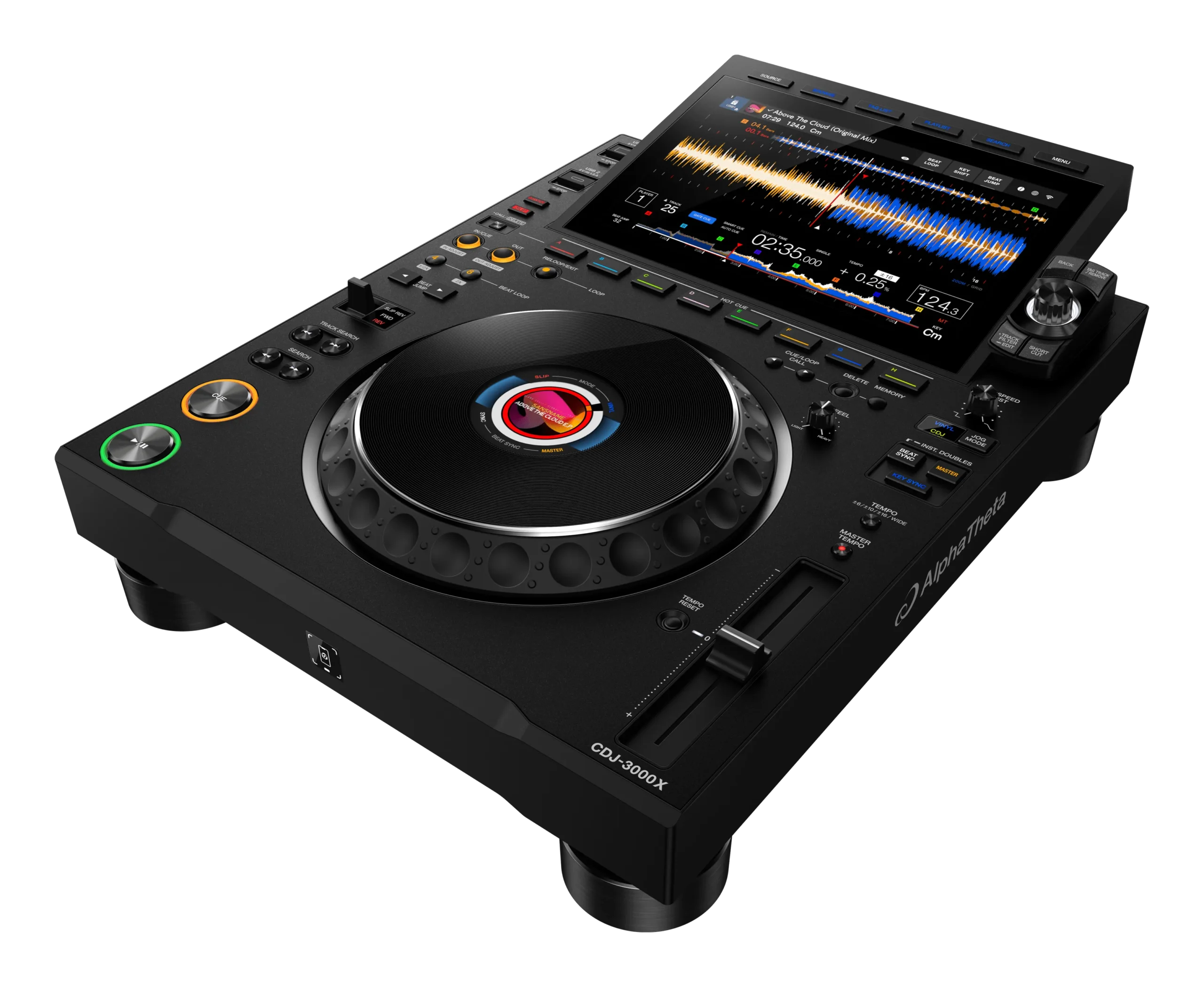
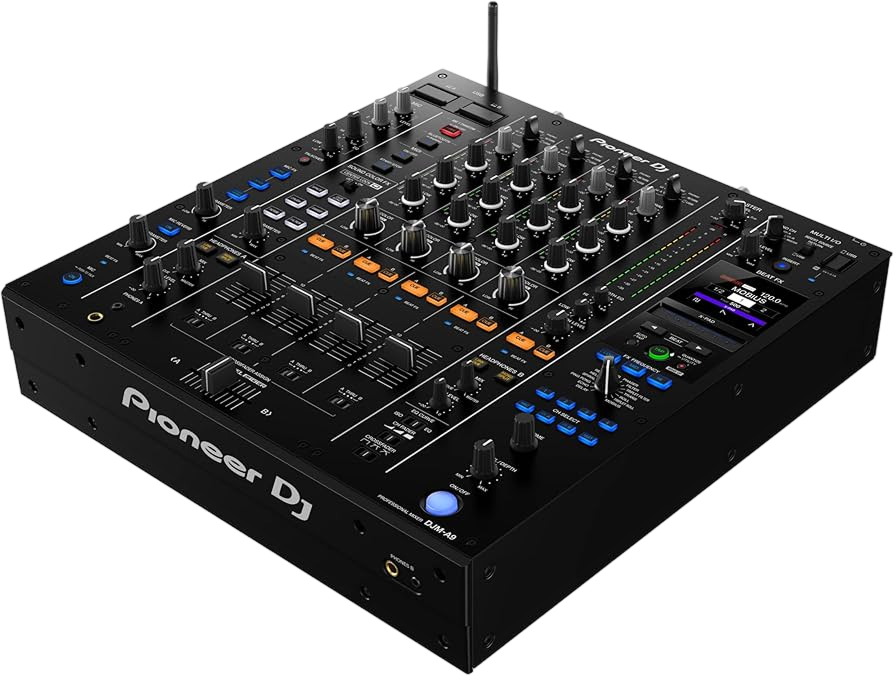
Booth etiquette is the set of unwritten rules DJs follow to respect each other and the venue, and knowing them marks you as a pro. A few are absolute. Never touch another DJ's gear or their mix while they're playing — don't grab their faders, don't 'help', don't fiddle with the EQ; it's the cardinal sin of the booth. Don't request your favourite track from the DJ playing, and don't crowd the booth or bring a gang of friends behind the decks. Don't unplug or change settings on shared club gear without asking the engineer. Keep your own area tidy and your drinks well away from the mixer and players — a spilled drink on a CDJ-and-DJM setup is a catastrophe and an instant reputation-killer. Be mindful that the gear is expensive and often not yours. These rules boil down to respect: for the DJ playing, for the next DJ, for the venue's gear, and for the engineer keeping the night running. None of them are about talent — they're about being someone people want in their booth. Get these basics right and you're already ahead of plenty of technically-good DJs who ignore them.

02

Sharing gear & the handover

Most gigs involve sharing gear and handing over between DJs, and doing it smoothly is a real courtesy skill. When you arrive, set up calmly without disrupting the current DJ — plug your USB into a free player, get ready, but don't crowd them or touch their decks. Agree a handover moment if you can. The handover itself: ideally beatmatch your first track into the outgoing DJ's, or at least come in cleanly on a phrase boundary so the transition is smooth and the energy carries — slamming the room with a jarring change the moment you take over is poor form. Ease in; you don't need to prove yourself with your biggest tune in the first thirty seconds. When your set ends, return the favour: leave the gear as you found it (reset any EQ kills, don't leave effects on), make space for the next DJ, and hand over graciously rather than playing 'just one more' over your time. Respect the schedule — running over into the next DJ's slot is rude and causes problems for the whole night. A clean, respectful handover in both directions is the sign of a DJ who understands they're part of a team running an event, not a solo act. It's noticed and appreciated.

03

Levels & the sound system

How you handle levels is both etiquette and technical responsibility. The big one: don't push the system into the red. Cranking the master or constantly pinning the levels distorts the sound, can damage speakers, and undoes the engineer's careful setup — and it makes you sound worse, not louder. Set clean gain on your tracks (see our Gain Staging & EQ Mixing guide) so they're consistent and strong without clipping, and leave the master where the engineer set it unless asked. There's usually a sound engineer responsible for the system — respect them. They know the room and the rig; if they ask you to bring levels down, do it without arguing. Working with the engineer rather than against them keeps the night sounding good and marks you as a professional. Mind the booth monitor too: keep it at a sensible level so you can hear yourself without deafening yourself (and protect your hearing — see our HDJ-X10 guide). Blasting your own monitor leads to fatigue and worse mixing as the night goes on. Good level discipline protects the gear, the audience's ears, your own hearing, and the overall sound of the night. It's invisible when done right and very noticeable when done wrong — a quiet but important part of being trusted in a booth.

04

Conduct that gets you rebooked

Beyond the specific rules, booth etiquette is really about professionalism — and professionalism is what gets you rebooked. Promoters and venues remember DJs who were easy and pleasant to work with: punctual (arrive early, ready to go), friendly to staff, engineers and other DJs, humble about the slot and gear, and reliable. A solid DJ who's a joy to have around will out-earn a brilliant one who's difficult. Respect the other DJs on the lineup — support their sets, don't trash-talk or compete pettily, and treat them as colleagues. The DJ world is small and reputations travel; being generous and respectful pays off in opportunities, while being a diva closes doors fast. Handle the night gracefully whatever happens: a quiet crowd, a gear hiccup, a tough slot — staying calm and professional through it earns respect. And afterwards, a simple thank-you to the promoter and engineer, and sharing content that promotes the night, strengthens the relationship. It all comes down to a simple idea: be the kind of person people want in their booth. Get your etiquette right — respect the gear, the other DJs, the engineer and the schedule — and combined with a good set, you build the relationships that turn one gig into a steady stream of them.

Part of a course
Keep learning
Gear to practise on
Advertisement